You Won’t Believe What This Island City Hides
Palau isn’t just about turquoise lagoons and diving legends—its cityscape holds a quiet magic most travelers miss. I wandered Koror not with a checklist, but with curiosity, and stumbled upon open-air markets buzzing with life, pastel-painted buildings with stories in their cracks, and coastal pathways where the breeze carries both salt and soul. This is urban Pacific charm, raw and real. While many come for the pristine reefs and Rock Islands, few pause to notice how the rhythm of daily life pulses through Koror’s streets—gentle, grounded, and full of warmth. This is not a city that shouts; it whispers, invites, and reveals itself slowly, like a tide uncovering hidden sandbars. In this article, we’ll explore the often-overlooked urban heart of Palau, where culture, nature, and community converge in surprising harmony.
Arrival: First Impressions of Palau’s Urban Pulse
Touching down at Roman Tmetuchl International Airport, travelers are greeted not by the roar of a sprawling metropolis, but by the soft hum of island life beginning to stir. A short drive across the compact island of Babeldaob and a bridge crossing later, Koror appears—modest in scale, yet vibrant in spirit. As the unofficial capital and most populous area of Palau, Koror serves as the nation’s urban core, though it defies conventional definitions of a city. There are no skyscrapers, no subway lines, no rush-hour gridlock. Instead, the city unfolds in layers—colorful storefronts strung with hand-painted signs, clusters of motorbikes parked outside family-run eateries, and the occasional rooster strutting across a sunlit sidewalk. This is urban life shaped by the sea, the sun, and centuries of tradition.
What makes Koror immediately endearing is its walkability. The downtown core spans just a few square miles, making it easy to navigate on foot or by bicycle. Visitors stepping off the plane with expectations of a remote island outpost are often surprised by the lively pace and organized chaos of the city center. Local vendors set up under shade canopies selling everything from fresh coconuts to woven pandanus mats. Children walk home from school in crisp uniforms, waving at passing neighbors. The pace is unhurried, yet life moves with purpose. This balance—between calm and activity—is central to Koror’s appeal. Unlike larger island capitals in the Pacific, Koror does not feel overwhelmed by tourism or development. It remains, at its heart, a place where people live, work, and connect.
The city’s modest size is not a limitation, but a strength. It allows for a kind of intimacy rarely found in urban environments. Shopkeepers remember faces. Drivers slow down to wave. Conversations begin over shared shade or a passing comment about the weather. This instant sense of belonging is what many travelers seek but seldom find. In Koror, it is not curated for tourists; it is simply how life unfolds. The city’s openness invites exploration, not as a checklist of sights, but as a series of human moments—brief, genuine, and quietly transformative.
Koror by Day: Exploring the Living Cityscape
A morning in Koror begins with light. The sun rises over the eastern reefs, casting a golden glow across the Ngerbeched Boardwalk, one of the city’s most beloved public spaces. This elevated pathway stretches along the coastline, offering unobstructed views of lush islets dotting the lagoon. Locals gather here at dawn—some jogging, others practicing tai chi, and a few simply sitting on benches, sipping coffee and watching the water. Children race ahead on bicycles, their laughter carried away by the breeze. It is a scene of quiet vitality, where the boundary between recreation and daily life blurs. The boardwalk is more than a tourist attraction; it is a living extension of the community, a place where health, beauty, and connection coexist.
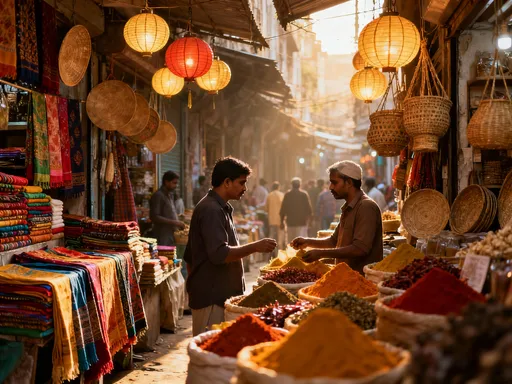
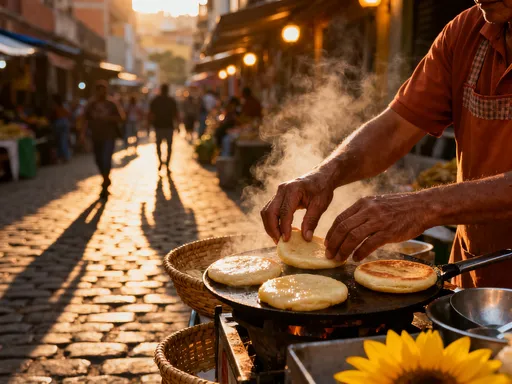
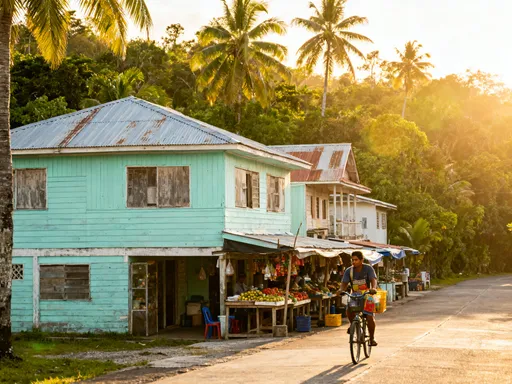
From the boardwalk, a short walk leads to Koror’s public market—a sensory explosion of color, scent, and sound. Rows of stalls overflow with fresh papayas, starfruit, bananas, and breadfruit, all grown on nearby family farms. Vendors proudly display handmade crafts—shell necklaces, carved wooden bowls, and traditional mats woven from pandanus leaves. The air is rich with the aroma of grilled fish, ripe mangoes, and coconut oil. More than a place to shop, the market is a social hub. Conversations flow easily between buyers and sellers, often in Palauan, but always punctuated with smiles and gestures that transcend language. A woman might offer a sample of pickled mango with a wink; a fisherman might explain how he caught the day’s snapper. These small exchanges are not transactions—they are moments of shared humanity.
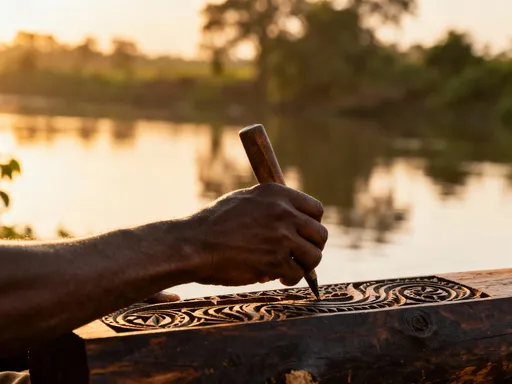
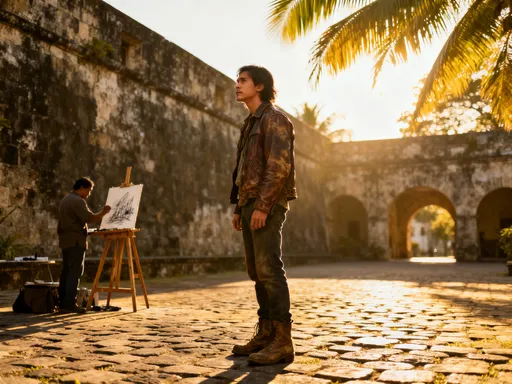
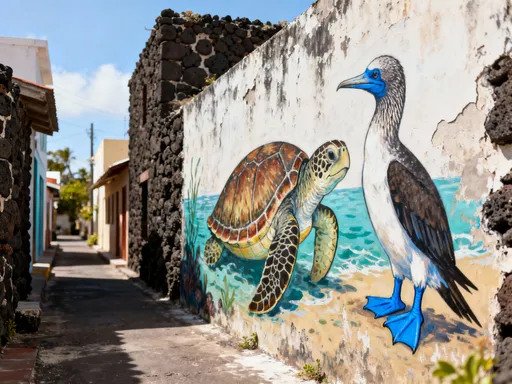
Wandering beyond the main thoroughfares, one begins to notice the city’s quieter artistic expressions. On alleyway walls and the sides of weathered buildings, murals emerge—some vibrant, others faded by sun and salt. These are not commissioned artworks, but organic expressions of identity. One depicts a traditional Palauan sailing canoe, a symbol of ancestral navigation and resilience. Another shows a woman in a traditional skirt holding a bowl of taro, honoring the role of women in sustaining culture. These images, though simple, speak volumes. They are not created for Instagram or tourism brochures; they are declarations of pride, painted by locals who see beauty in their heritage. In a world where urban art is often commercialized, Koror’s murals remain authentic—a visual diary of a community that knows who it is and isn’t afraid to say so.
Architecture with Character: More Than Just Concrete
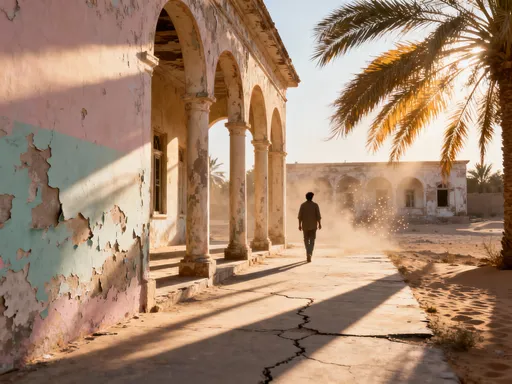
Koror’s built environment tells a story of adaptation, resilience, and cultural continuity. Unlike cities shaped by rapid modernization, Koror’s architecture reflects a careful blend of influences—colonial legacies, postwar reconstruction, and enduring traditional values. Walking through the city, one sees wooden storefronts with corrugated iron roofs, pastel-painted homes with wide eaves, and government buildings that incorporate indigenous design elements. There is no architectural uniformity, yet a sense of cohesion emerges—a rhythm of form and function shaped by climate, history, and community needs.
One of the most significant structures in the city is the Bai, a traditional community meeting house. Though typically found in villages, a modern Bai stands in Koror’s central area, serving as both a cultural landmark and a functional space for gatherings. Elevated on wooden posts and topped with a steep thatched roof, the Bai is more than a building—it is a symbol of Palauan governance and social unity. Men historically gathered here to discuss village matters, settle disputes, and pass down oral histories. Today, it continues to serve as a place of dialogue, now open to visitors who wish to understand the foundations of Palauan society. Its presence in the cityscape is a quiet reminder that tradition is not confined to rural areas; it lives at the heart of urban life.
Modern public buildings in Koror also reflect cultural pride. The Capitol Building, located on the nearby island of Melekeok but influencing national design standards, incorporates motifs from traditional carvings and weaving patterns. In Koror, government offices and schools often feature open-air designs that allow for natural ventilation, a practical response to the tropical climate and a nod to ancestral building wisdom. Even commercial spaces—small shops and restaurants—frequently use wood and natural materials, avoiding the coldness of glass and steel. This architectural philosophy is not about nostalgia; it is about sustainability, identity, and comfort. Buildings in Koror are not just shelters—they are expressions of a people who value connection to land, sea, and each other.
City Meets Nature: Where Urban Life Blends with the Wild
In Koror, nature does not begin at the city’s edge—it is woven into its very fabric. Neighborhoods are bordered by dense jungle, where banana trees grow wild and fruit bats glide between treetops at dusk. It is not uncommon to spot a monitor lizard sunning itself on a sidewalk or hear the call of a white tern from a power line. The city does not wall itself off from the wilderness; instead, it negotiates a gentle coexistence. This integration is not accidental, but intentional—a reflection of Palauan values that see humans as part of, not separate from, the natural world.
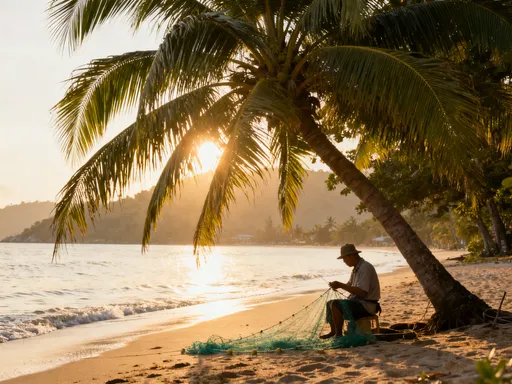
Coastal roads offer some of the most striking examples of this harmony. A drive along the main ring road reveals sudden openings where the ocean bursts into view—turquoise water lapping against rocky shores, fishermen mending nets in the shade, children splashing in shallow coves. There are no high-rise resorts blocking the horizon, no endless seawalls. The sea remains accessible, intimate, and ever-present. Even in the busiest parts of town, the sound of waves can often be heard beneath the hum of traffic. This proximity to water shapes the city’s rhythm—tides influence fishing schedules, weather determines outdoor plans, and the sea provides both sustenance and solace.
Green spaces within Koror further reinforce this connection. The Palau Botanical Garden, though modest in size, offers a curated slice of the island’s biodiversity. Paths wind through native ferns, mangroves, and medicinal plants, each labeled with both English and Palauan names. Families picnic under banyan trees, students sketch plants for school projects, and elders walk slowly, pointing out species to grandchildren. Unlike manicured urban parks in larger cities, this garden does not seek to control nature; it invites engagement with it. Similarly, small neighborhood plots and home gardens are common, with residents growing taro, sweet potatoes, and herbs. Urban agriculture is not a trend here—it is a way of life, a practice that ensures food security and strengthens community ties.
Local Life in Motion: A Glimpse Behind the Tourist Lens
To experience Koror beyond the surface, one must move like a local. Public transportation in the city is informal but effective—white vans with “For Hire” signs serve as shared taxis, picking up passengers along common routes. There are no fixed schedules or apps, just an understanding that if the van is moving and has space, you can board. Drivers often remember regular riders, exchanging greetings like old friends. A ride might cost a few dollars, paid in cash with a smile. This system is not efficient by conventional standards, but it is deeply human. It fosters recognition, trust, and a sense of shared journey—qualities often missing in modern transit systems.
Evenings in Koror unfold at a gentle pace. As the sun dips below the horizon, families gather at roadside grills, where smoke rises from skewers of marinated fish and pork. These open-air eateries, often just a few tables under a tarp, serve simple, flavorful food—grilled mahi-mahi with lemon, taro root cooked in coconut milk, and fresh cucumber salad. Conversations flow easily, punctuated by bursts of laughter. Children chase each other between tables, and elders sit back, watching with quiet contentment. These moments are not staged for visitors; they are the fabric of daily life. To sit at one of these tables, even as a stranger, is to be welcomed—not with fanfare, but with the quiet acceptance that comes from shared space and simple pleasures.
Churches and community centers play a central role in maintaining this social rhythm. Nearly every neighborhood has a small church, often brightly painted and surrounded by flowering shrubs. On Sundays, families dress in their best and attend services that blend Christian worship with Palauan traditions—hymns sung in both English and Palauan, offerings of fruit and flowers, and communal meals after the service. These gatherings are not just religious; they are social anchors, providing stability and connection in a small, close-knit society. Community centers host everything from youth programs to elder meetings, reinforcing the idea that well-being is a collective responsibility. In a world where urban isolation is a growing concern, Koror offers a different model—one where belonging is built into the structure of daily life.
Sustainable Urban Living: How Palau Balances Growth and Tradition
As a small island nation, Palau faces unique challenges in urban development. Limited land, vulnerability to climate change, and dependence on imported goods require thoughtful planning. Yet, Koror has managed to grow without losing its soul. Waste reduction is a national priority—single-use plastics are banned, and recycling programs are expanding. Public buildings increasingly use solar panels, reducing reliance on imported fuel. Rainwater harvesting is common, especially in rural areas, and water conservation is taught in schools. These efforts are not driven by international mandates alone, but by a deep cultural respect for the environment—summarized in the Palauan concept of *bul*
City planning in Koror reflects this philosophy. New developments are carefully evaluated to avoid overbuilding or disrupting ancestral lands. Unlike many Pacific capitals that have expanded rapidly, Koror has maintained a human scale. High-density housing is rare; most families live in single-story homes with gardens. Roads are narrow, discouraging heavy traffic and encouraging walking or cycling. Zoning is informal, allowing homes, shops, and small farms to coexist. This organic layout may seem unplanned, but it is rooted in a long tradition of communal land use, where space is shared and respected.
Infrastructure challenges remain—occasional power outages, limited internet bandwidth, and the high cost of importing materials. Yet, locals adapt with ingenuity. When a storm damages a roof, neighbors come together to rebuild. When supplies run low, families rely on fishing and farming. This resilience is not born of hardship alone, but of a cultural mindset that values self-reliance, cooperation, and patience. In a global context where urban life often feels fragile and disconnected, Koror’s approach offers a powerful alternative—development that prioritizes people, culture, and the environment over unchecked growth.
Why This Cityscape Matters: Reimagining Island Urbanism
Koror challenges the assumption that urban life must be fast, large, or impersonal. Here, city living is measured not by skyscrapers or economic output, but by the quality of human connection, the strength of community, and the presence of nature. This model of small-scale, human-centered urbanism is increasingly relevant in a world grappling with overcrowding, environmental degradation, and social isolation. Palau’s capital-in-waiting—Melekeok—was relocated to a more rural area in part to preserve Koror’s balance, signaling a national commitment to thoughtful growth.
The emotional contrast between Palau’s natural wonders and its urban moments is striking. Snorkeling in Jellyfish Lake or hiking to the Rock Islands offers awe and adventure. But sitting on a bench in Koror, watching a grandmother weave a mat under a mango tree, offers something deeper—a sense of continuity, of life unfolding with grace and dignity. These quiet moments are not lesser than the grand landscapes; they are their counterpart. They remind us that beauty is not only found in untouched nature, but in the way people live within it.
Travelers are often encouraged to “get off the beaten path,” but in Palau, the path itself is worth slowing down for. Koror does not demand attention; it invites presence. To walk its streets is to witness a way of life that values simplicity, respect, and relationship. It is a city that does not try to be more than it is—and in that, it becomes something extraordinary. For families, especially women who often carry the emotional labor of travel, Koror offers a rare gift: a place where you can breathe, belong, and feel seen without performance.
Palau’s true essence isn’t just in its postcard reefs—it lives in the pulse of Koror, where city life breathes with authenticity. This is not a metropolis, but a community wrapped in light, color, and quiet strength. To walk its streets is to understand island life beyond the dive mask. Visit for the nature, stay for the soul.