You Won’t Believe These Hidden Cultural Gems in Kazan
Kazan isn’t just Russia’s cultural crossroads—it’s a city whispering secrets through centuries-old walls and quiet courtyards. I wandered off the tourist trails and found intimate theaters, underground art hubs, and centuries-old craft workshops most visitors never see. These hidden cultural venues reveal the soul of Tatar heritage and modern creativity thriving side by side. If you're seeking authenticity beyond the Kremlin walls, this is where Kazan truly comes alive. The city’s official landmarks are undeniably grand, but its quieter corners hold stories that resonate more deeply: stories of resilience, identity, and artistic continuity. For travelers who value meaning over spectacle, Kazan offers a rare invitation—to listen, to observe, and to connect with culture in its most intimate forms.
The Spirit of Kazan: More Than a Stopover
Kazan occupies a unique position in the cultural geography of Russia, standing as a symbolic and physical bridge between Europe and Asia. Located at the confluence of the Volga and Kazanka rivers, the city has long served as a meeting point of civilizations, where Tatar and Russian identities have coexisted, influenced one another, and at times, clashed. Today, this blend is visible not only in architecture and cuisine but in the city’s artistic pulse. Yet, for many tourists, Kazan remains little more than a day trip from Moscow, a checklist of sights that includes the Kazan Kremlin and the Qolşärif Mosque. These landmarks are impressive, but they represent only one layer of a far richer cultural tapestry.
What often escapes the casual visitor is the depth of local artistic life that flourishes beyond these iconic sites. The city’s cultural institutions are not confined to state-funded museums or official theaters. Instead, a vibrant network of grassroots venues, independent artists, and family-run workshops sustains traditions and fosters innovation in ways that official tourism rarely highlights. These spaces are not built for mass consumption; they exist for the community, by the community. As a result, they offer a more authentic glimpse into what it means to be from Kazan, to speak Tatar, and to carry forward a heritage shaped by centuries of change.
To truly understand Kazan, one must look beyond the postcard views. The city’s spirit is found in the rhythm of a hand-stitched embroidery pattern, the acoustics of a poem recited in Tatar, and the quiet concentration of a woodcarver shaping a motif passed down through generations. These are not performances for tourists—they are acts of cultural preservation. By choosing to explore these lesser-known corners, travelers participate in a more meaningful form of tourism, one that values depth over speed and connection over convenience.
A Hidden Theater Scene That Speaks Volumes
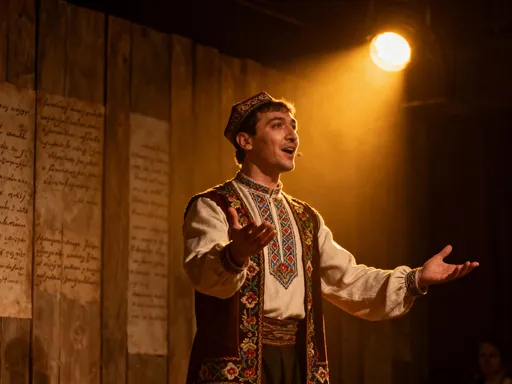
One of the most profound cultural experiences in Kazan unfolds not on grand stages but in modest, intimate theaters where language, tradition, and emotion converge. The Galiaskar Kamal Tatar Academic Theater stands as a cornerstone of Tatar-language performance, preserving and evolving a theatrical tradition that dates back over a century. While its exterior may not rival the opulence of Moscow’s Bolshoi, the emotional intensity within its walls is unmatched. Performances here are not merely entertainment—they are affirmations of identity, often drawing from Tatar literature, folklore, and historical narratives.
For visitors who do not speak Tatar, attending a performance might seem daunting at first. Yet, the power of theater in Kazan transcends language. Facial expressions, gestures, music, and set design work in harmony to convey meaning. A mother’s grief, a soldier’s return, or a village’s celebration are communicated through universal human expressions that need no translation. The use of traditional instruments like the quray (a Tatar flute) and bağlama (a stringed instrument) further deepens the emotional resonance, grounding the stories in a distinct cultural soundscape.
What makes these performances even more special is their accessibility. Ticket prices remain modest, reflecting the theater’s commitment to serving local audiences. The atmosphere is welcoming, and staff often go out of their way to help international visitors understand the context of the play, sometimes providing translated synopses or program notes. For those interested in a deeper experience, the theater occasionally hosts post-performance discussions or backstage tours, offering insight into the rehearsal process and the challenges of maintaining a minority-language theater in a predominantly Russian-speaking country.
Attending a performance at the Kamal Theater is not just about watching a play—it’s about witnessing cultural resilience in action. In a world where smaller languages and traditions are increasingly at risk, the continued vitality of Tatar theater is a quiet act of resistance and pride. For travelers, it is an invitation to slow down, to listen, and to appreciate art not as a spectacle, but as a living, breathing expression of community.
Underground Art Galleries in Forgotten Courtyards
Hidden behind unmarked doors and tucked into the quiet courtyards of the Old Tatar Settlement, a network of underground art galleries thrives beneath the radar of mainstream tourism. These spaces are not listed in guidebooks, nor do they appear on most city maps. Instead, they emerge organically—converted homes, repurposed storage rooms, or shared studios where artists experiment freely, unburdened by commercial expectations. Here, contemporary Tatar art takes shape, blending Islamic geometric patterns, folk symbolism, and modernist techniques into bold new forms.
One such space, known locally as “Atelier 17,” operates in a former bathhouse building that dates back to the early 1900s. The whitewashed walls now display paintings that reinterpret traditional Tatar embroidery motifs in abstract expressionist styles. Sculptures made from reclaimed wood and metal incorporate crescent and star shapes—symbols historically associated with Tatar identity—but reimagined in angular, contemporary forms. The artists, many of whom studied in Moscow or abroad, return to Kazan not for fame or profit, but to reconnect with their roots and contribute to a growing cultural revival.
These galleries often function as community hubs, hosting poetry readings, music nights, and collaborative art projects. Exhibitions are temporary and spontaneous, sometimes announced only through word of mouth or social media. This informality is part of their charm—they are not institutions, but living spaces where creativity flows freely. Visitors who stumble upon them are often welcomed warmly, invited to sit, chat, and even contribute ideas. There is no pressure to buy; the emphasis is on dialogue and exchange.
What makes these spaces particularly significant is their role in preserving cultural memory while pushing it forward. In an era of rapid urbanization, where historic neighborhoods face redevelopment, these artist-run venues act as guardians of place and identity. They are not resisting change, but rather redefining it—showing that modernity and tradition need not be at odds. For the discerning traveler, discovering one of these hidden galleries is like finding a secret chapter in Kazan’s story, one written in color, texture, and quiet defiance.
Traditional Craft Workshops Keeping Heritage Alive
In the narrow streets of Old Tatar Settlement, the rhythm of craftsmanship continues, preserved in small, family-run workshops where skills passed down through generations are still practiced with care. Among the most cherished of these is tambour embroidery, a delicate form of chain-stitching traditionally done on fine cotton or silk. Women—often grandmothers teaching their daughters and granddaughters—sit by windows, their needles moving swiftly, creating intricate floral and geometric patterns that once adorned wedding garments and ceremonial scarves. These motifs are more than decorative; they carry symbolic meanings, representing protection, fertility, and continuity.
Another enduring craft is ceramic tile-making, a tradition closely linked to the architectural identity of Kazan. Artisans in small studios mix local clay with natural pigments, hand-carving and glazing tiles that mirror those found on historic mosques and homes. The process is labor-intensive, requiring precise control of temperature and timing during firing. Yet, demand for authentic pieces remains strong, both for restoration projects and private collectors. Some workshops offer short demonstrations, allowing visitors to try their hand at carving or glazing under gentle guidance. These experiences are not staged performances but genuine invitations to participate in a living tradition.
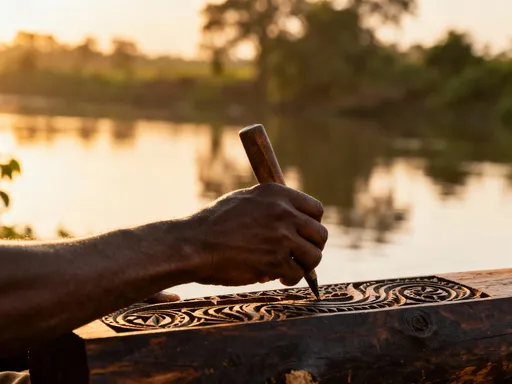
Wood carving is another art form that thrives in Kazan, particularly in the creation of decorative panels and furniture inlays. Using chisels and mallets, craftsmen shape scenes from nature—birds in flight, blooming flowers, flowing rivers—into linden or birch wood. These carvings often appear in homes and public buildings, serving as quiet reminders of a deep connection to the natural world. Some workshops have begun collaborating with architects and interior designers, ensuring that traditional craftsmanship finds a place in modern spaces.
For travelers, visiting these workshops is a chance to witness heritage in motion. Unlike museum displays, where artifacts are frozen in time, these spaces show culture as it is lived and adapted. Observing a craftsperson at work, listening to stories of apprenticeship and family, and even attempting a simple stitch or carving creates a connection that no photograph can capture. Respectful engagement—asking permission before taking pictures, refraining from touching unfinished pieces, and supporting artisans through small purchases—ensures that tourism becomes a force for preservation, not disruption.
Cultural Hubs in Repurposed Historic Buildings
One of the most inspiring trends in Kazan’s cultural landscape is the adaptive reuse of historic buildings as community-centered arts spaces. Among the most notable is Dom Kitab, or the House of Books, housed in a beautifully restored 19th-century mansion in the heart of the city. Once a private residence, the building now serves as a dynamic cultural center dedicated to Tatar literature, language, and intellectual life. Its arched doorways, wooden balconies, and ornate stucco work have been preserved, creating an atmosphere that feels both elegant and intimate.
Dom Kitab hosts a rotating program of events, including poetry readings by contemporary Tatar writers, traditional music performances featuring the kubyz (a jaw harp-like instrument), and bilingual storytelling circles where children and adults gather to hear folk tales in both Tatar and Russian. The space also includes a small library and reading room, where visitors can browse rare editions and historical texts. What sets Dom Kitab apart is its emphasis on accessibility—it is not a museum of the past, but a living forum for dialogue and learning.
Other repurposed spaces include a former school turned arts collective and a disused bathhouse converted into a performance venue for experimental theater. These projects share a common goal: to honor the past while making it relevant to the present. By investing in restoration rather than demolition, the city affirms the value of its architectural and cultural heritage. For residents, these spaces offer gathering places rooted in history; for visitors, they provide a deeper understanding of how Kazan balances preservation with progress.
The success of these initiatives lies in their community focus. Programming is often shaped by local input, ensuring that events reflect real interests and needs. Volunteers help organize activities, and many events are free or low-cost, removing financial barriers to participation. This model of cultural engagement stands in contrast to top-down tourism development, offering a sustainable alternative that benefits both locals and thoughtful travelers.
Navigating the Unseen: How to Find These Venues Responsibly
Discovering Kazan’s hidden cultural spaces requires curiosity, patience, and a willingness to step off the tourist path. Unlike major attractions, these venues are rarely advertised with signs or official websites. Instead, they are best found through personal connections and local insight. Engaging with university students, especially those studying literature, art, or ethnography, can lead to unexpected invitations. Many students are proud of their cultural heritage and eager to share it with respectful visitors.
Another effective approach is joining walking tours led by local residents rather than commercial operators. These small-group tours often focus on neighborhood history, architecture, and daily life, offering access to courtyards and workshops that would otherwise remain unseen. Some guides are artists or historians who can provide context and introduce travelers to working artisans. When choosing a tour, look for those that emphasize community benefit and ethical engagement.
Respect is paramount when visiting these spaces. Many are located in residential areas, and some function as both homes and studios. Visitors should always ask permission before entering, avoid loud conversations, and refrain from treating private spaces as photo opportunities. Photography, if allowed, should be discreet and never intrusive. The goal is not to capture the perfect image, but to be present in the moment.
Timing also matters. Mornings and early afternoons are often the best times to visit workshops, when artisans are at work and more likely to engage in conversation. Cultural centers like Dom Kitab typically publish event schedules online or at the entrance, making it easy to plan around poetry readings or music nights. Public transportation, including trams and buses, provides reliable access to most neighborhoods, reducing reliance on taxis and minimizing environmental impact.
By approaching these experiences with humility and intention, travelers become participants rather than spectators. This shift in mindset transforms tourism from consumption into connection, aligning with the values of slow travel and cultural respect.
Why Hidden Culture Matters in Travel Today
In an age of overtourism and standardized travel experiences, seeking out hidden cultural venues is more than a personal choice—it is an ethical one. When only a handful of iconic sites receive attention, they become overcrowded, their meaning diluted by constant performance for cameras. Meanwhile, the spaces where culture is actually lived—workshops, community centers, neighborhood theaters—struggle for recognition and support. By redirecting attention to these lesser-known places, travelers help redistribute the benefits of tourism more equitably.
Moreover, engaging with hidden culture fosters deeper understanding. It moves us beyond stereotypes and surface-level impressions, allowing us to see a place through the eyes of those who call it home. In Kazan, this means recognizing that Tatar identity is not a relic of the past, but a vibrant, evolving presence. It means appreciating that tradition is not static, but constantly being reinterpreted by artists, writers, and craftspeople.
There is also a personal transformation that occurs when we choose slow, intentional travel. We become better listeners. We learn to find beauty in quiet moments—a shared cup of tea with an artisan, the hum of a quray melody in a dimly lit room, the sight of sunlight catching a hand-embroidered pattern. These experiences stay with us not because they are extraordinary, but because they are real.
Ultimately, the act of seeking hidden culture is an act of respect. It acknowledges that every community has stories worth telling, and that some of the most meaningful ones are shared not on stages, but in living rooms, courtyards, and workshops. In choosing to listen, we honor not only the culture we encounter, but our own capacity for connection.
Kazan’s true magic doesn’t shine only under the golden domes of its famous landmarks—it flickers in dimly lit rehearsal rooms, quiet workshops, and back-alley galleries where culture isn’t performed, but lived. By stepping off the beaten path, travelers don’t just see a city—they connect with its heartbeat. Let Kazan remind us that the deepest journeys aren’t measured in miles, but in moments of genuine human resonance.