You Won’t Believe What I Found in Chittagong’s Markets
Chittagong isn’t just Bangladesh’s bustling port city—it’s a shopping paradise hiding in plain sight. I went looking for souvenirs and left with stories, spices, and stunning handwoven fabrics. From chaotic street bazaars to modern malls, the city’s commercial areas blend tradition and trend in ways I never expected. If you think shopping here is just about price, you’re missing half the magic. The markets of Chittagong are not simply places to spend money—they are living spaces where culture, community, and commerce intertwine. Every alleyway hums with energy, every vendor shares a quiet pride in their goods, and every purchase carries a piece of local life. Whether you’re drawn to the scent of aged leather, the rustle of hand-spun cotton, or the sparkle of hand-cut glass bangles, Chittagong offers more than transactions. It offers connection.
The Heartbeat of Commerce: Exploring Chittagong’s Urban Marketplace Culture
Chittagong has long served as the commercial lifeline of southeastern Bangladesh, its economy pulsing with the rhythm of trade and transport. As the country’s second-largest city and home to the busiest seaport, it has evolved into a dynamic urban center where commerce is not just an industry but a way of life. The city’s markets reflect this deeply rooted mercantile spirit, shaped by its coastal geography, diverse population, and historical role as a crossroads of regional exchange. Unlike the more centralized retail experiences found in global cities, Chittagong’s shopping culture thrives in decentralized, organically grown marketplaces that operate with a rhythm all their own.
What makes these markets truly unique is the blend of communities that contribute to their character. Traders from the Chakma, Marma, and Tippera ethnic groups bring distinct craftsmanship and goods, while long-established Marwari merchants manage many of the larger wholesale operations. This diversity is not just visible in the faces behind the counters but in the variety of products on display—rattan baskets from the hills, aromatic rice from local farms, hand-dyed silks, and imported dry fruits from neighboring countries. The result is a marketplace ecosystem that feels both deeply rooted and constantly evolving.
Why does this matter to the traveler? Because shopping in Chittagong is not a passive act. It is participation in a living economy. Every transaction supports small-scale artisans, family-run stalls, or local entrepreneurs who depend on daily sales. Visitors who take time to observe, ask questions, and engage respectfully often find that vendors are eager to share stories—about how a particular fabric is woven, where spices are sourced, or how certain traditions have been passed down for generations. This cultural exchange elevates shopping from mere consumption to meaningful interaction.
Navigating these spaces requires awareness and respect. Bargaining is expected in most open markets, but it should be done with courtesy, not aggression. Observing local customs—such as removing shoes before entering certain shops or greeting shopkeepers with a polite nod—goes a long way in building rapport. Understanding that many vendors operate on thin margins encourages mindful purchasing, where quality and authenticity are valued over the lowest possible price. In this way, the act of shopping becomes a bridge between visitor and host, grounded in mutual respect and shared humanity.
New Market: Where Chaos Meets Charm
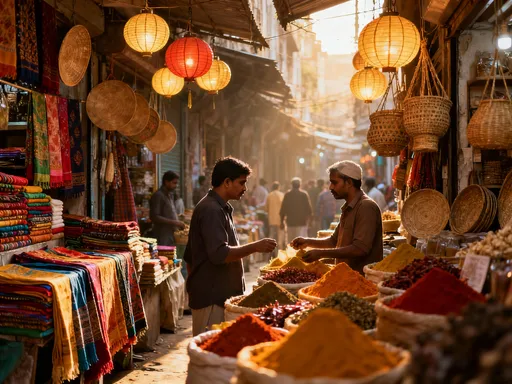
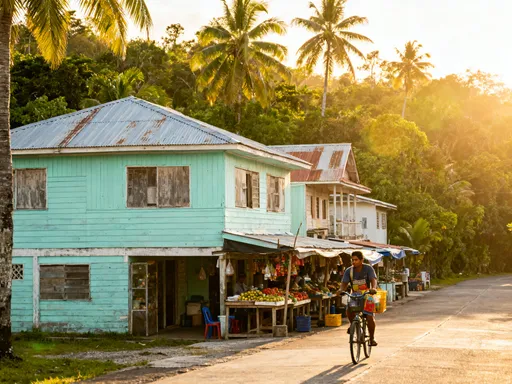
No visit to Chittagong is complete without stepping into the whirlwind of New Market, the city’s most iconic shopping destination. Officially known as Sadarghat New Market, this sprawling complex is a sensory overload in the best possible way. Narrow passageways wind between tightly packed stalls, each one overflowing with goods—from imitation designer handbags and plastic toys to hand-stitched leather sandals and intricately embroidered shawls. The air carries a mix of scents: sandalwood incense, frying street food, damp fabric, and the faint metallic tang of nearby workshops. Overhead, tangled wires crisscross the sky, and hand-painted signs in Bengali and English beckon shoppers with promises of unbeatable deals.
What shoppers will find here is astonishing in both volume and variety. Electronics, clothing, kitchenware, cosmetics, and religious items are all available under one loosely connected roof. While some items are mass-produced imports, others—particularly textiles and leather goods—are locally made and reflect regional craftsmanship. The market is especially known for its ready-made garments, where tailors offer custom fittings for shirts, kurtas, and salwar suits at a fraction of the cost found in Western countries. Bargaining is not just common here; it is essential. Prices are often quoted two or three times higher than what locals pay, so polite negotiation is expected and even welcomed.
However, the charm of New Market comes with challenges. Crowds can be overwhelming, especially on weekends and holidays, and pickpocketing is a real concern in the more congested areas. To shop safely and efficiently, visitors are advised to go early in the morning, ideally between 8 and 10 a.m., when the market is less crowded and vendors are more relaxed. Carrying a small crossbody bag with a zipper, keeping cash in a money belt, and avoiding flashy jewelry can reduce the risk of theft. It’s also wise to carry small denominations of Bangladeshi taka, as many vendors cannot provide large change.
For those seeking quality over quantity, the key is knowing where to look. Certain lanes specialize in specific goods—textiles near the eastern entrance, leather goods toward the north wing, and spices in the lower level corridors. Building rapport with a single vendor can lead to better deals and more honest recommendations. A simple smile, a willingness to engage in light conversation, and a respectful attitude often open doors that price tags alone cannot. In New Market, the real treasure is not just what you buy, but how you experience it.
From Street Stalls to Specialty Shops: Finding Authentic Local Crafts
While mass-market goods dominate many corners of Chittagong’s bazaars, the true soul of its shopping culture lies in its handmade crafts. These are not souvenirs churned out for tourists but functional, beautiful objects rooted in centuries-old traditions. Among the most cherished are Nakshi kantha quilts—hand-embroidered textiles made from layers of recycled cotton, stitched with intricate patterns that tell stories of family, nature, and faith. Each piece is unique, bearing the imprint of the artisan’s hand and heritage. These quilts, once made for household use, are now sought after by collectors and interior designers for their artistry and sustainability.
Another distinctive craft is bamboo and cane weaving, a skill mastered by artisans in the nearby hill tracts. From delicate baskets and lampshades to sturdy furniture and decorative panels, bamboo products are both lightweight and durable. Many of these items are sold in small specialty shops along Badar Road or at weekend craft fairs organized by local NGOs. These events often partner with cooperatives that ensure fair wages and ethical production, making purchases not only beautiful but also socially responsible. Visitors who take the time to learn about the process—how bamboo is harvested, treated, and woven—often leave with a deeper appreciation for the craftsmanship involved.
Tribal jewelry, particularly from the Chakma and Marma communities, offers another avenue for authentic shopping. Necklaces, earrings, and bangles made from silver, beads, and natural stones are often handcrafted using techniques passed down through generations. Unlike the mass-produced costume jewelry found in larger markets, these pieces carry symbolic meanings—protection, fertility, or spiritual connection—and are worn with pride during festivals and ceremonies. To find genuine items, it’s best to visit artisan-run shops or cultural centers rather than generic souvenir stalls. Look for slight imperfections—uneven stitching, asymmetrical designs—as signs of handmade authenticity.
How can travelers ensure they’re buying the real thing? First, ask questions. Artisans and shopkeepers who take pride in their work are usually happy to explain materials, methods, and origins. Second, be wary of items priced too low—authentic handmade goods require time and skill, and their cost reflects that. Third, support organizations that promote fair trade, such as BRAC’s Aarong outlets or local craft cooperatives, which guarantee ethical sourcing and transparency. By choosing authenticity over convenience, shoppers not only bring home meaningful keepsakes but also contribute to the preservation of vanishing crafts and the livelihoods of those who practice them.
Zinda Bazaar: A Fusion of Cultures on Every Shelf
If New Market is the pulse of Chittagong’s commerce, Zinda Bazaar is its flavor. Located in the heart of the city, this historic marketplace has a distinct character shaped by the Marwari and Kuki-Chin communities, whose trading traditions have influenced its offerings for generations. The name itself—"Zinda" meaning "living"—hints at its vibrant energy and enduring relevance. Unlike the chaotic sprawl of New Market, Zinda Bazaar is more organized, with wider walkways and clearly defined sections for different goods. Yet it retains an old-world charm, where shopfronts are hand-lettered and transactions often begin with a cup of sweet chai.
What sets Zinda Bazaar apart is its specialization in high-quality dry goods, perfumes, and imported items. Rows of shops display mountains of dried fruits—dates from Iran, apricots from Afghanistan, almonds from California—all neatly arranged in wooden bins. Spices are sold by weight, their vivid colors and aromas drawing customers from across the city. Perfume stalls offer attar (natural essential oils) in glass vials, with scents like rose, sandalwood, and musk that have been used in South Asian traditions for centuries. These fragrances are often blended on-site, and vendors will gladly offer a sample on the back of the hand—a small gesture that embodies the personal touch of this market.
Garments and textiles are another highlight. Tailored sherwanis, embroidered stoles, and fine cotton lungis are available at competitive prices, often with the option for custom fittings. Many of these fabrics are sourced from Dhaka or imported from India, but the selection and service are distinctly Chittagonian. Household goods, including brass utensils, decorative mirrors, and prayer items, are also widely available, reflecting the market’s role as a one-stop destination for both daily needs and special occasions.
Why is Zinda Bazaar worth a dedicated visit? Because it offers a different kind of shopping experience—one rooted in trust, tradition, and taste. The vendors here often serve the same families for decades, building relationships that go beyond the transaction. Prices may be slightly higher than in more chaotic markets, but the quality and service justify the cost. For visitors, this means a more relaxed pace, clearer labeling, and a greater chance of finding exactly what they’re looking for. It’s also a place where cultural exchange happens naturally—through shared tea, exchanged greetings, and mutual respect. In Zinda Bazaar, shopping feels less like a chore and more like a conversation.
The Rise of Modern Retail: CDA Avenue and Shopping Complexes
Alongside Chittagong’s traditional markets, a new retail landscape is emerging—one that blends global convenience with local identity. CDA Avenue, the city’s most modern thoroughfare, has become the epicenter of this shift. Lined with tree-shaded sidewalks, branded storefronts, and air-conditioned shopping complexes, it offers a stark contrast to the heat and hustle of open-air bazaars. Here, young professionals, families, and expatriates gather not just to shop but to socialize, dine, and unwind in a clean, comfortable environment. The growth of this sector reflects changing lifestyles, rising incomes, and a growing appetite for international brands and services.
Among the most prominent destinations is Jamuna Future Park, a multi-level shopping mall that houses everything from global fashion retailers to local boutiques, electronics stores, and multiplex cinemas. Food courts serve a mix of Bangladeshi, Indian, Chinese, and Western cuisines, catering to diverse tastes. Other smaller plazas, such as Agrabad Commercial Area complexes and luxury apartment retail wings, feature branded cafes, beauty salons, and children’s play zones, creating a family-friendly shopping experience. These spaces are particularly popular on weekends, when the city’s younger generation flocks to them for leisure and connection.
What draws shoppers to these modern centers? Comfort is a major factor. Air conditioning, clean restrooms, escalators, and ample seating make them accessible to elderly visitors and families with young children. Security is also more visible, with CCTV cameras and uniformed personnel providing a sense of safety. Digital payment options, including mobile wallets and card terminals, are increasingly common, reducing the need to carry large amounts of cash. For international visitors, the presence of English signage and standardized pricing adds to the ease of navigation.
Yet these modern spaces have not erased Chittagong’s traditional market culture—they have learned to coexist with it. Many shoppers visit both New Market and CDA Avenue in the same trip, appreciating the authenticity of the bazaars and the convenience of the malls. Some local brands have even opened flagship stores in modern complexes while maintaining roots in artisan production. This duality reflects the city’s broader identity: deeply traditional, yet open to change. For travelers, it means having the best of both worlds—vibrant street markets for unique finds and polished malls for comfort and consistency.
Smart Shopping Strategies: Timing, Transport, and Tactics
To make the most of Chittagong’s diverse shopping scene, a little planning goes a long way. Timing is crucial. Most traditional markets open around 9 a.m. and remain busiest between noon and 6 p.m. Early mornings offer the best conditions—cooler temperatures, lighter crowds, and more attentive vendors. Weekdays are generally less crowded than weekends, especially Sundays, when families shop together. If visiting during Ramadan or major festivals like Eid, be aware that hours may shift, with many shops closing earlier in the afternoon and reopening after evening prayers.
Transportation within the city is relatively accessible. Cycle rickshaws remain the most common and economical mode of travel, weaving through narrow lanes that cars cannot reach. For longer distances or more comfort, ride-hailing apps like Pathao and Uber operate in Chittagong, offering motorcycle and car services with transparent pricing. These apps are especially useful for returning to hotels with shopping bags. When using rickshaws, agree on the fare before starting the journey or insist on using a meter if available. Always carry small bills, as drivers and vendors often lack change for larger notes.
Payment methods vary by location. In traditional markets, cash is king. While some larger shops in malls accept cards or mobile payments, most street vendors deal exclusively in Bangladeshi taka. It’s advisable to carry a mix of denominations—small bills for snacks and tips, larger ones for bigger purchases. ATMs are widely available in commercial areas, but it’s wise to withdraw cash during daylight hours for safety. A local SIM card with data service is highly recommended for navigation, translation, and using ride-hailing apps. Providers like Grameenphone and Banglalink offer affordable tourist packages with data and calling minutes.
Dress modestly, especially in traditional markets and religious areas. Lightweight, breathable clothing in neutral colors is ideal for the humid climate. Women may feel more comfortable in long skirts or pants and loose tops that cover shoulders. Carrying a scarf can be useful for entering mosques or conservative neighborhoods. Above all, approach shopping with patience and openness. Smiles, polite greetings, and a willingness to learn a few Bengali phrases—like "Koto taka?" (How much?) or "Dekhchi" (I’m looking)—can transform a simple transaction into a memorable interaction.
Beyond the Purchase: How Shopping Connects You to the City
Shopping in Chittagong is more than an economic act—it is a form of cultural immersion. Every market visit offers a window into the lives of those who make, sell, and use the goods on display. When you buy a handwoven kantha quilt, you carry home not just fabric but a legacy of storytelling. When you sip tea with a spice vendor in Zinda Bazaar, you participate in a tradition of hospitality that transcends language. These moments, fleeting as they may seem, create lasting connections between traveler and place.
Why does this matter? Because mindful shopping fosters respect. It shifts the focus from consumption to contribution. Each purchase supports local livelihoods, preserves traditional skills, and sustains communities. It also deepens the travel experience, turning a simple souvenir into a meaningful artifact of human connection. In a world where mass production often erases individuality, Chittagong’s markets remind us of the value of the handmade, the unique, and the personal.
As you explore these vibrant spaces, remember that every interaction counts. A kind word, a fair price, a genuine question about craftsmanship—these small acts ripple outward. They affirm the dignity of the vendor, enrich your journey, and strengthen the invisible threads that bind us across cultures. So the next time you walk through a crowded bazaar or step into a quiet specialty shop, look beyond the price tag. Listen to the stories, appreciate the skill, and recognize that you are not just buying something—you are becoming part of something. In Chittagong, shopping is not just what you do. It’s how you belong.