Lost in Manila’s Soul: Where Culture Lives on Every Corner
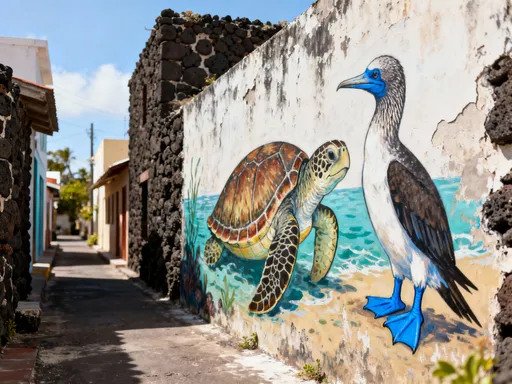
You know what’s wild? Manila isn’t just traffic and skyscrapers—get off the beaten path and you’ll find real culture pulsing through old churches, indie galleries, and street murals that tell stories no guidebook ever could. I wandered for days, no map, just vibes—and stumbled into places so authentic, so full of soul, I couldn’t believe they were real. This is Manila beyond the headlines, where history hums beneath your feet, art blooms on cracked walls, and devotion fills the air like incense. It’s a city that doesn’t perform culture—it lives it, breathes it, shares it freely with those who slow down enough to notice.
The Pulse of Intramuros: More Than Just a Historic District
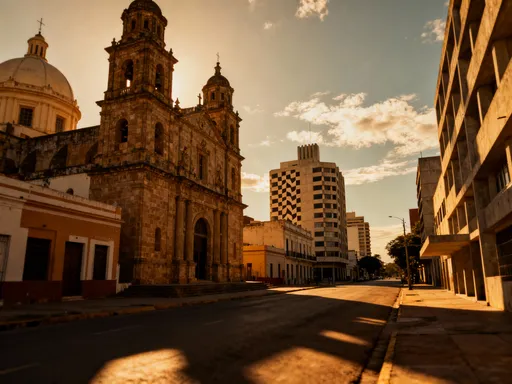
Intramuros is often described as Manila’s historic heart, but to call it merely a relic is to misunderstand its living rhythm. Enclosed by centuries-old stone walls, this walled city was once the seat of Spanish colonial power, yet today it pulses with a quiet, persistent energy that defies its textbook reputation. As the morning sun filters through the arched windows of San Agustín Church, one of the oldest stone churches in the Philippines and a designated UNESCO World Heritage Site, the scent of aged wood and sandalwood incense lingers in the air. The church’s interior, adorned with intricate carvings and gilded altars, feels less like a museum and more like a sacred space still deeply woven into the fabric of daily life. Masses are held regularly, and locals light candles not for show, but for prayer, for memory, for hope.
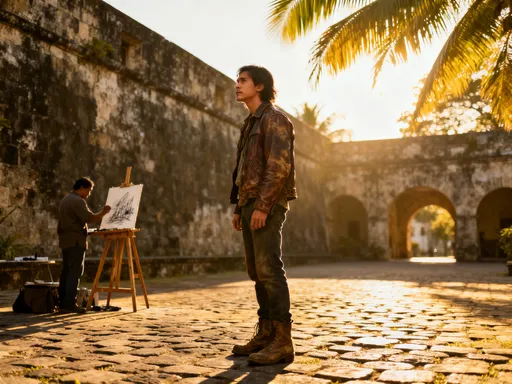
But the true magic of Intramuros unfolds beyond its famous landmarks. Wander through its quieter lanes and you’ll find courtyards where art students sketch the façades of ancestral homes, their pencils capturing the delicate tracery of iron grilles and weathered stucco. In hidden plazas, dancers in traditional baro’t saya rehearse the tinikling, their feet tapping in sync with bamboo poles clacking against the pavement. These moments aren’t staged for tourists—they’re part of a cultural continuity that has survived wars, modernization, and time. The cobblestone streets, worn smooth by centuries of footsteps, seem to echo with whispers of the past, yet they carry the laughter of children and the chatter of families enjoying weekend strolls.
What makes Intramuros so compelling is its layered identity. Here, Spanish colonial architecture blends seamlessly with indigenous Filipino craftsmanship and subtle Asian influences—evident in the design of roof tiles, the layout of gardens, and the motifs carved into church doors. This fusion isn’t forced; it’s organic, born from centuries of coexistence and adaptation. To walk through Intramuros slowly, without rushing from one attraction to the next, is to feel history not as a distant concept, but as a living presence. It’s in the way an old man sips coffee at a bench near Plaza Roma, watching the world pass by, or how a young couple takes wedding photos beneath the arches of Casa Manila, their joy echoing through stone corridors that have witnessed generations of love and loss.
From Ruins to Revival: The Artistic Rebirth of Escolta
If Intramuros represents Manila’s colonial past, Escolta embodies its creative renaissance. Once the city’s most prestigious commercial avenue during the early 20th century, this stretch in downtown Manila was home to grand Art Deco buildings, luxury boutiques, and bustling theaters. Over decades, economic shifts and urban neglect led to its decline—windows boarded up, facades crumbling, and foot traffic dwindling. But in recent years, Escolta has undergone a remarkable transformation, not through glossy redevelopment, but through grassroots cultural revival led by artists, designers, and heritage advocates.
Today, walking down Escolta feels like stepping into a living art installation. Former bank buildings now host pop-up galleries showcasing contemporary Filipino painters and sculptors. Independent bookstores like Fully Booked BGC have opened satellite spaces here, offering curated selections of local literature and zines. Experimental theater groups perform in repurposed lobbies, their stories exploring identity, memory, and the soul of the city. One afternoon, I sat on a folding chair outside a sidewalk stall, sipping sago’t gulaman—a sweet, refreshing drink of tapioca pearls and palm fruit—while watching a muralist bring a blank wall to life. The artwork depicted a woman in a traditional terno dress, her arms outstretched, releasing origami birds into a sky filled with geometric patterns. It was both nostalgic and forward-looking, a perfect metaphor for Escolta itself.
What’s striking about this revival is its authenticity. There are no luxury condos or chain stores pushing out local voices. Instead, urban explorers and young creatives have reclaimed the street with respect for its history and a bold vision for its future. Guided heritage walks, often led by historians or architects, invite visitors to see the beauty in decay—the ornate cornices, the ironwork balconies, the faded advertisements still visible on some walls. These tours don’t just celebrate the past; they ask questions about preservation, memory, and what it means to belong to a city in constant flux. Escolta isn’t trying to return to its former glory—it’s creating a new kind of cultural capital, one rooted in community, creativity, and resilience.
The National Museum Complex: Where Heritage Comes Alive
No journey into Manila’s cultural soul is complete without a visit to the National Museum Complex, a cluster of institutions dedicated to preserving and presenting the nation’s artistic, historical, and anthropological treasures. Spread across three main buildings—the National Museum of Fine Arts, the Museum of Anthropology, and the National Museum of Natural History—the complex offers a profound immersion into the Filipino identity, spanning from pre-colonial times to the present day. Best of all, admission is free, making deep cultural engagement accessible to everyone, from schoolchildren on field trips to international travelers seeking authenticity.
The centerpiece of the Fine Arts museum is Juan Luna’s *Spoliarium*, a massive 19th-century masterpiece that commands silence the moment you enter the room. Over four meters high and nearly five wide, the painting depicts fallen gladiators being dragged from the arena, their bodies limp, their faces shadowed with suffering. The emotional weight is staggering—not just for its technical brilliance, but for what it represents: a Filipino artist achieving global acclaim during a time of colonial oppression. Luna’s work, along with those of contemporaries like Felix Resurreccion Hidalgo, speaks to a spirit of resistance and dignity that continues to resonate today.
Just across the plaza, the Museum of Anthropology offers an even deeper journey into the roots of Filipino culture. Here, glass cases hold *manunggul jars*—secondary burial vessels from over 2,000 years ago, their lids carved with boats carrying souls to the afterlife. The craftsmanship is exquisite, but more powerful is the worldview they reveal: a people deeply connected to the sea, to ancestors, and to the cycle of life and death. Nearby, displays of gold jewelry, ceremonial weapons, and intricate textiles trace the sophistication of pre-Hispanic societies long before European arrival. Bilingual signage in English and Filipino ensures that these stories are not locked behind academic language, but shared widely and clearly.
The museum complex isn’t static. Temporary exhibitions often spotlight contemporary artists engaging with tradition, or communities revitalizing ancestral crafts. Educational programs, storytelling sessions, and family workshops make the space welcoming and inclusive. To spend a full day here is to walk through layers of time, each floor revealing a new dimension of national identity. It’s not just about looking at artifacts—it’s about feeling the continuity of culture, the pride in resilience, and the quiet strength of a people who have preserved their stories against all odds.
Quiapo’s Chaos and Devotion: A Cultural Paradox
Just a few kilometers north of the museum lies Quiapo, a district that defies easy categorization. To some, it’s chaotic—crowded sidewalks, blaring horns, vendors shouting over one another. To others, it’s sacred—a place where faith runs deep and community thrives in the most unexpected ways. Quiapo Church, officially known as the Minor Basilica of the Black Nazarene, stands at the heart of it all, a beacon for millions of devotees who come seeking miracles, solace, or simply a moment of peace.
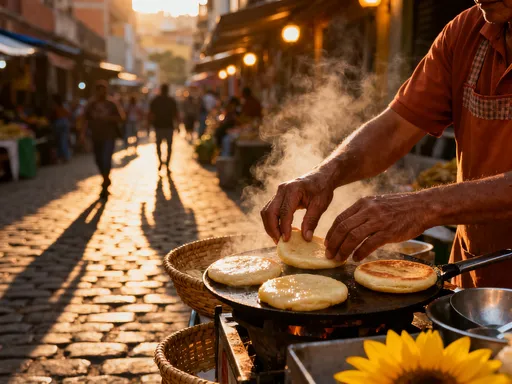
The atmosphere is overwhelming in the best way. Church bells ring in irregular intervals, blending with the call of street vendors selling *sampaguita* garlands, roasted corn, and *banana cue*. The air is thick with the scent of candle wax, incense, and fried dough. Inside the church, the image of the Black Nazarene—a dark wooden statue of Jesus carrying the cross—is enshrined behind glass, surrounded by offerings of flowers, notes, and photographs. Pilgrims press forward during the weekly Thursday devotion, some crawling on their knees, others weeping quietly. The devotion is raw, personal, and profoundly moving—not performative, but deeply felt.
The annual *Traslación* procession, held every January, draws millions in what is considered one of the largest religious gatherings in the world. While the event is not for the faint of heart—crowds are immense, temperatures high, and movement nearly impossible—it exemplifies the power of collective faith. Yet even on ordinary days, Quiapo offers cultural richness beyond the church walls. Sari-sari stores double as community hubs, where neighbors gather to chat over coffee. Small bookstalls sell everything from religious pamphlets to vintage comics. Healing *albularyos* (folk healers) offer herbal remedies, their knowledge passed down through generations.
For visitors, Quiapo demands respect. Dressing modestly, keeping belongings secure, and observing quietly rather than treating the space as a spectacle are essential. But for those who approach with humility, the rewards are immense. Here, culture isn’t curated—it’s lived in real time, messy and vibrant and unfiltered. It’s a reminder that spirituality and commerce, tradition and modernity, can coexist in dynamic tension, each shaping the other in ways that feel uniquely Filipino.
Contemporary Canvas: The Rise of Alternative Art Spaces
While museums and historic districts preserve the past, Manila’s contemporary art scene is pushing boundaries and redefining what culture can be. Beyond the mainstream galleries, a network of alternative spaces has emerged—intimate, experimental, and deeply connected to local voices. These are not elite enclaves, but welcoming venues where art is not just displayed, but discussed, debated, and experienced.
One standout is the Pinto Art Museum in Antipolo, just a short drive from Manila. Nestled in a lush hillside, the museum feels more like a dream than an institution. Its white, Mediterranean-style buildings blend with tropical gardens, koi ponds, and open-air corridors. Inside, rotating exhibitions feature Filipino artists working in painting, sculpture, and multimedia installations. What sets Pinto apart is its atmosphere—visitors are encouraged to linger, to sit on stone benches and absorb not just the art, but the serenity of the space. Open-mic nights, poetry readings, and live acoustic performances are regular events, transforming the museum into a cultural sanctuary.
Within the city, underground art spaces in Makati and Quezon City offer a grittier, more urgent kind of creativity. In repurposed warehouses and former retail units, collectives host exhibitions that tackle social issues—inequality, environmental degradation, mental health—through bold visual storytelling. Some incorporate performance art, inviting audiences to participate rather than just observe. Digital installations use projection and sound to create immersive experiences, blurring the line between artist and viewer. These spaces often operate on minimal budgets, sustained by passion and community support, yet their impact is outsized.
What unites these venues is a commitment to accessibility. Admission is often low-cost or donation-based. Artists engage directly with visitors, explaining their work and welcoming feedback. These are not places to “check off” a cultural to-do list—they’re spaces for connection, reflection, and inspiration. For travelers, stepping into one of these galleries is like being let in on a secret: Manila’s cultural pulse isn’t just in its monuments, but in its margins, where innovation thrives and new voices rise.
Cultural Rhythms: Music, Dance, and Public Performance
In Manila, culture doesn’t stay indoors—it spills into the streets, parks, and waterfronts, carried by music, movement, and collective joy. From dawn to dusk, the city hums with performance, not as spectacle, but as daily practice. In Luneta Park, elderly men gather in the late afternoon to play *rondalla*, a traditional ensemble of stringed instruments like the banduria and laud. Their melodies—soft, nostalgic, intricately layered—drift through the trees, a living thread connecting past and present.
At Baywalk along Manila Bay, the rhythm shifts. Teenagers in colorful streetwear face off in impromptu dance battles, their moves a fusion of hip-hop, breakdance, and local flair. On weekends, the area transforms into an open-air stage, with live bands covering OPM (Original Pilipino Music) hits and aspiring singers taking the mic. It’s informal, unpolished, and utterly electric—a testament to the city’s enduring love for music as a form of expression and community.
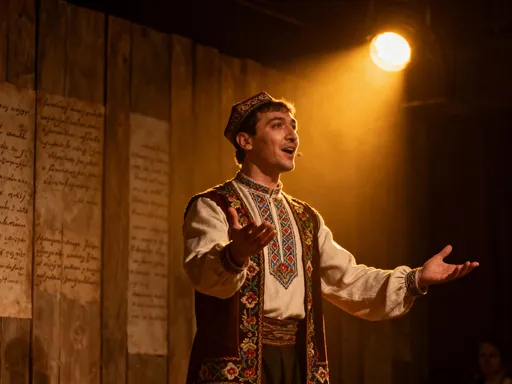
For a more formal experience, the Cultural Center of the Philippines (CCP) offers a curated celebration of national artistry. Inside its modernist halls, traditional performances come alive under golden stage lights. One evening, I watched a rendition of *Pandanggo sa Ilaw*, a folk dance where performers balance lighted oil lamps on their heads and hands while gliding across the floor in graceful, precise movements. The concentration is breathtaking—the slightest misstep could extinguish a flame or spill oil—but the dancers move with confidence, their faces serene, their steps synchronized. It’s a dance of balance, literally and metaphorically, echoing the Filipino value of *hiya* (shame or propriety) and *lakas ng loob* (courage).
These performances aren’t just for tourists or special occasions. They are taught in schools, performed at festivals, and passed down through families. To witness them is to see culture not as a relic, but as a living, evolving practice. Whether in a grand theater or a sidewalk jam session, music and dance in Manila are acts of continuity, resilience, and joy.
Wandering with Purpose: How to Experience Culture Like a Local
Engaging deeply with Manila’s culture doesn’t require a PhD in history or a luxury travel budget. It begins with intention—choosing to wander not just to see, but to understand. Start with walking tours organized by heritage groups like *Heritage Conservation Society* or *Escolta Pop*, where knowledgeable locals share stories that no guidebook can capture. These tours often include behind-the-scenes access—abandoned theaters, private courtyards, hidden chapels—offering a perspective few tourists ever see.
Technology can help, but shouldn’t dominate. Download offline maps via Google Maps to navigate without constant data use, but resist the urge to document every moment through a screen. Instead, pause. Sit on a bench in Plaza Miranda and watch people go by. Listen to snippets of conversation, notice how elders greet each other, how children play hopscotch on cracked pavement. These small observations build a richer picture than any photo album.
Timing matters. Manila is hot, especially midday. Plan cultural visits for mornings or late afternoons, when light is softer and crowds thinner. Visit Quiapo Church early on a Thursday to witness devotion without the crush of the *Traslación*. Arrive at the National Museum when it opens to enjoy the *Spoliarium* in near solitude.
Finally, support local. Buy handmade *inabel* textiles from Ilocos weavers at weekend markets, or pick up *yema* candies—sweet, creamy custard treats—directly from street vendors. These small acts sustain artisans and preserve traditions. They also create moments of human connection: a smile, a shared laugh, a story exchanged in broken English and gestures.
Manila’s Culture Isn’t Found—It’s Felt
This journey—from the stone corridors of Intramuros to the vibrant murals of Escolta, from the solemn halls of the National Museum to the bustling energy of Quiapo—reveals a truth about Manila: its culture isn’t something to be consumed, but to be experienced. It’s not hidden in exclusive galleries or tourist traps, but alive in everyday moments—in the scent of incense at dawn, the strum of a banduria at dusk, the quiet dignity of a woman selling sampaguita outside a church.
To connect with Manila’s soul, you don’t need a checklist. You need curiosity, humility, and the willingness to slow down. Put away the map. Let the city guide you. Listen more than you speak. Observe before you photograph. And when you feel that moment—when a piece of music stops you in your tracks, or a stranger shares a story unprompted—you’ll know you’ve touched something real.
Manila’s culture isn’t found. It’s felt. And once you feel it, you carry it with you—not as a souvenir, but as a quiet understanding: that the heart of a city beats strongest not in its monuments, but in its people, its streets, its shared moments of beauty and belief.