Wandering Through Malmö: Where Nature Hides in Plain Sight
Ever thought a city could blend urban charm with wild, untouched nature? I didn’t either—until I wandered through Malmö. What I discovered blew my mind: secret forests, coastal trails, and green spaces thriving right alongside modern life. This isn’t just a Scandinavian city; it’s a living landscape. Let me take you through the natural wonders most travelers miss. From reclaimed industrial zones to hidden woodlands behind sandy beaches, Malmö reveals a quiet harmony between people and nature. It’s a place where sustainability isn’t a buzzword but a way of life, where every park, path, and pedal stroke tells a story of renewal. More than just scenery, these green spaces offer peace, connection, and a deeper understanding of what cities can become.
A City Reborn from Industry to Green Haven
Malmö’s transformation from an industrial port city to a model of urban sustainability is one of Europe’s most inspiring environmental turnarounds. Once dominated by shipyards and manufacturing, the city faced economic decline and environmental degradation in the late 20th century. But rather than resist change, Malmö embraced it—with vision, courage, and a deep commitment to ecological balance. The result is a city that has reimagined its identity, turning former industrial wastelands into thriving ecosystems where nature and community coexist.
One of the most striking examples of this shift is the Western Harbour (Västra Hamnen), once a bustling dockyard for shipbuilding and cargo. Today, it stands as a pioneering eco-district powered entirely by renewable energy. Homes here are built to passive house standards, minimizing energy use, while wind turbines and solar panels supply clean electricity. But beyond the buildings, the area is threaded with green corridors—native grasses, rain gardens, and pollinator-friendly plantings—that support biodiversity and manage stormwater naturally. What was once concrete and cranes is now a living neighborhood where birds nest in green roofs and children play beside bioswales.
This transformation wasn’t accidental. It was driven by long-term urban planning that placed environmental health at its core. Malmö’s city government adopted ambitious climate goals early, aiming for fossil fuel independence by 2030 and carbon neutrality not long after. These targets shaped decisions across infrastructure, transportation, and land use. Former railyards and storage lots were converted into parks and urban farms. Abandoned warehouses gave way to community gardens and green plazas. Even major roads were redesigned to prioritize pedestrians, cyclists, and green buffers over car traffic.
The shift reflects a broader Scandinavian value: that cities should serve both people and the planet. In Malmö, sustainability isn’t reserved for special zones—it’s embedded in everyday life. Residents expect clean air, accessible nature, and walkable neighborhoods. They also participate actively, joining local environmental groups, tending community plots, and advocating for greener policies. This collective mindset has turned Malmö into a laboratory for urban renewal, proving that even post-industrial cities can bloom again—not just economically, but ecologically.
The Magic of Plogging: Discovering Nature While Giving Back
In Malmö, staying connected to nature isn’t just about passive enjoyment—it’s about participation. One of the most meaningful ways I experienced this was through plogging, the Swedish practice of picking up litter while jogging. What began as a quirky trend has become a cultural movement, blending fitness, environmental stewardship, and mindfulness. During my mornings along the coastline and through city parks, I joined locals armed with gloves and trash bags, moving at a steady pace while scanning the ground for discarded wrappers, bottles, or stray fishing line.
Plogging changed how I saw the city. Instead of rushing past green spaces, I slowed down, noticing details I would have otherwise missed: a spiderweb glistening with dew, a woodpecker drumming in a distant oak, or the first snowdrops pushing through the soil. Each piece of trash collected felt like a small act of care—not just for the environment, but for the community. It was humbling to realize how much unnoticed effort goes into keeping these spaces beautiful and safe for everyone.
More than just a cleanup ritual, plogging fosters a sense of ownership and belonging. In Malmö, public green areas are treated not as government property, but as shared responsibilities. People of all ages take part—parents with strollers, retirees on morning walks, school groups on field trips. There’s no judgment, no pressure, just a quiet understanding that nature thrives when we protect it together. Some neighborhoods even organize weekly plogging meetups, turning the activity into a social event with coffee and conversation afterward.
The practice also highlights Malmö’s broader culture of environmental awareness. Recycling is meticulous, with separate bins for paper, plastic, glass, and organic waste. Single-use plastics are rare, and reusable containers are the norm. Even street festivals emphasize low waste, using compostable materials and encouraging attendees to carry refillable water bottles. These habits aren’t enforced by strict laws but sustained by shared values—values that begin with simple actions like plogging and grow into a citywide ethic of care.
Kungsparken: More Than Just a Riverside Escape
Among Malmö’s many green spaces, Kungsparken holds a special place as the city’s oldest public park. Nestled along the banks of the Padda River, it offers a seamless blend of history, recreation, and natural beauty. Established in the mid-19th century, the park was designed as a place of respite for industrial workers and their families. Today, it remains true to that mission, welcoming joggers, picnickers, dog walkers, and anyone seeking a moment of calm within the urban rhythm.
What makes Kungsparken remarkable is its balance between human use and ecological preservation. Wide lawns invite casual gatherings, while winding paths lead to quieter corners shaded by mature trees—beech, linden, and horse chestnut—that have stood for generations. The river itself supports aquatic plants, ducks, and the occasional kingfisher darting between reeds. In spring, cherry blossoms bloom in soft pinks and whites, drawing visitors for quiet admiration. In autumn, the foliage turns into a rich tapestry of gold and crimson, reflecting in the slow-moving water.
Locals treat the park as an extension of their living rooms. On sunny afternoons, families spread blankets with homemade sandwiches and thermoses of tea. Teenagers gather near the bandstand, laughing and sharing music. Elderly couples walk slowly along the riverbank, pausing to feed the ducks or watch the swans glide by. Yet despite the activity, the space never feels crowded or chaotic. Benches are spaced thoughtfully, trash bins are plentiful, and signage gently reminds visitors to respect wildlife and keep noise levels low.
Kungsparken also hosts seasonal events that strengthen community ties. Summer brings outdoor concerts and theater performances under the trees. Winter sees the installation of a small ice-skating rink, where children glide with mittened hands held high. Throughout the year, park staff work closely with environmental groups to maintain native plant species, control invasive ones, and monitor water quality. This careful stewardship ensures that Kungsparken remains not just a recreational spot, but a functioning ecosystem within the city.
The Coastal Wonder of Ribersborgsstranden and the Woods Beyond
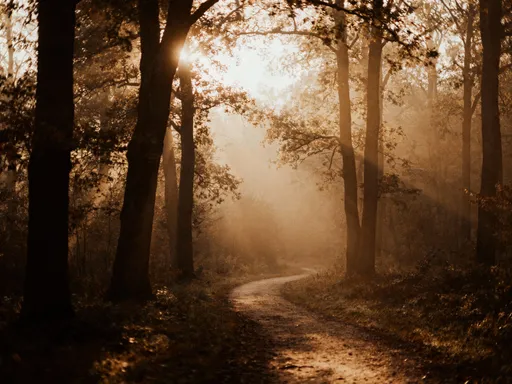
A short walk from central Malmö lies Ribersborgsstranden, a wide, sandy beach that stretches along the Öresund Strait. On warm days, it’s alive with swimmers, sunbathers, and families building sandcastles. But what truly sets this place apart is what lies behind it: a dense, whispering forest known locally as the Ribersborg skog. Stepping from the bright openness of the beach into the cool shade of the trees feels like crossing into another world—one of moss-covered roots, rustling leaves, and dappled sunlight.
This transition from sea to woodland is more than just scenic—it’s symbolic of Malmö’s relationship with nature. Here, the wild isn’t something distant or protected behind fences; it’s accessible, integrated, and part of daily life. Locals walk their dogs through the forest, children climb on fallen logs, and birdwatchers scan the canopy for woodpeckers and treecreepers. The forest floor is carpeted with ferns and wild garlic in spring, and mushrooms appear after autumn rains. It’s not a manicured park but a semi-wild space allowed to grow naturally, with minimal human interference.
The Swedish concept of friluftsliv—open-air life—comes alive in this landscape. It’s the idea that spending time in nature is essential for well-being, not a luxury. In Malmö, this philosophy shapes how people live. Even in winter, when temperatures dip and daylight is short, residents bundle up and head outdoors. You’ll see them walking the beach at dawn, jogging through the forest with headlamps, or sitting on benches with hot drinks, simply watching the waves. There’s a quiet resilience in these routines, a belief that nature nourishes the spirit as much as the body.
Ribersborg also hosts one of Malmö’s most beloved traditions: the wooden bathhouse at Ribersborgs Kallbadhus. Opened in the 1890s, it remains a place where people of all ages swim in the cold sea year-round, then warm up in saunas with panoramic views of the water. It’s a ritual of endurance and renewal, deeply rooted in local culture. Visitors are welcome, too, greeted with quiet respect. The experience—plunging into icy water, feeling the burn, then emerging refreshed—connects you to the raw power of nature in a way few urban experiences can.
Discovering Slottsträdgården and Its Quiet Botanical Soul
Nestled near Malmö Castle, Slottsträdgården (The Castle Garden) is a hidden gem that combines historical elegance with botanical richness. Once part of the castle’s formal grounds, it was redesigned in the 20th century into a public garden that welcomes both quiet reflection and community engagement. Unlike more manicured European gardens, Slottsträdgården embraces a relaxed, naturalistic style—flower beds burst with color in summer, herb gardens invite sensory exploration, and old fruit trees line the pathways, some still bearing apples and plums.
What makes this garden special is its dual role as both sanctuary and classroom. School groups visit to learn about pollinators, composting, and seasonal planting. Local gardeners volunteer to maintain the plots, sharing tips and seeds with passersby. In spring, the air fills with the scent of hyacinths and tulips; in late summer, sunflowers tower over winding paths. Benches tucked beneath trees offer solitude, while open lawns host yoga classes and family gatherings. It’s a space that feels both curated and free—a balance many urban gardens struggle to achieve.
Slottsträdgården also reflects Malmö’s commitment to preserving green spaces within the city core. At a time when many cities sacrifice parks for development, Malmö has protected and even expanded its green areas. This garden, just steps from shops and cafés, proves that nature doesn’t need to be far away to be meaningful. It’s a reminder that beauty and tranquility can thrive in the heart of urban life, offering respite from noise, stress, and constant motion.
Seasonal changes bring new reasons to return. In autumn, fallen leaves are left in parts of the garden to support insects and enrich the soil—a small but significant act of ecological respect. Winter reveals the garden’s skeletal beauty: bare branches, frost-covered plants, and the quiet hush of snow. Even then, it’s not empty. Bird feeders attract finches and tits, and visitors walk slowly, hands in pockets, appreciating the stillness. Slottsträdgården doesn’t demand attention; it offers peace to those who seek it.
Cycle Routes That Feel Like Wilderness Trails
Malmö is a cyclist’s dream—not because of speed or competition, but because of how seamlessly the bike network connects people to nature. With over 500 kilometers of dedicated cycle paths, the city makes it easy to leave the urban core and glide into forests, wetlands, and coastal trails. These routes aren’t just transportation corridors; they’re green arteries that pulse with life, revealing natural pockets most tourists never see.
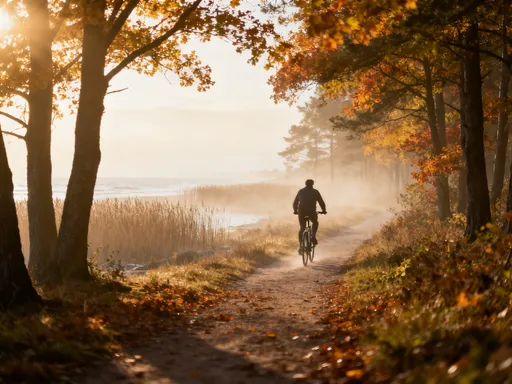
One of the most scenic is the path that follows the coastline from Ribersborg to Limhamn. It begins on paved trails, then narrows into gravel paths winding through pine forests and rocky outcrops. Along the way, you pass small coves where seals sometimes bask on sunlit stones, and cliffs where seabirds nest in spring. The air smells of salt and pine, and the only sounds are waves, wind, and bicycle tires on gravel. It’s easy to forget you’re still within city limits.
Another favorite is the route through Pildammsparken and onward to Delsjön Nature Reserve. Starting in a formal park with lakes and bridges, the path gradually ascends into ancient woodlands. Here, oak and beech trees form a canopy that filters sunlight into soft green patterns. Woodpeckers tap in the distance, and deer tracks mark the damp earth. The reserve spans over 500 hectares and includes marshes, meadows, and several small lakes perfect for swimming in summer. Signage is minimal, encouraging exploration without over-direction.
What makes these routes special is their accessibility. You don’t need a high-performance bike or technical skills—any sturdy bicycle will do. Families ride together, students commute between campuses, and seniors take slow, leisurely loops. Bike rentals are plentiful, and repair stations dot the network. This inclusivity ensures that nature isn’t a privilege but a right, available to all regardless of age or income. Cycling in Malmö isn’t just transport; it’s a form of wandering, a way to discover the city’s soul one pedal stroke at a time.
Why Slow Travel Lets You See Malmö’s True Nature
In a world of checklists and photo ops, Malmö taught me the value of slow travel—of wandering without a strict plan, of letting curiosity guide each step. I didn’t come here to see landmarks or take selfies at famous sites. I came to feel the city, to notice how light falls on a quiet street, how birds sing in a hidden grove, how people move through their days with calm intention. And in that slowness, I discovered the city’s true nature—not just in its parks and forests, but in its rhythm, its values, its quiet confidence.
Slow travel means allowing space for the unexpected. It’s sitting on a bench for half an hour to watch ducks teach their ducklings to swim. It’s following a footpath just because it looks inviting, only to find a forgotten garden or a view of the sea. It’s talking to a local who points you to a hidden beach or recommends a bakery with the best cinnamon buns. These moments don’t fit into guidebooks, but they stay with you longer than any museum or monument.
Malmö rewards this kind of exploration. Its compact size, safe streets, and welcoming atmosphere make it ideal for unhurried discovery. You can walk from a bustling market to a silent forest in under twenty minutes. You can cycle from a modern library to a centuries-old meadow without crossing a busy highway. The city is designed for presence, not speed. And in that design, there’s a message: that life is richer when we move mindfully, when we pay attention, when we let nature in.
For travelers—especially women over 30, balancing family, work, and personal well-being—this kind of journey offers more than relaxation. It offers renewal. It reminds us that we don’t have to escape to find peace. We can find it in the ordinary, the nearby, the everyday. We can find it in a city that has learned to live with nature, not apart from it.
Malmö’s Quiet Revolution of Green Living
Malmö is not a perfect city, but it is a hopeful one. Its journey from industrial decline to environmental leadership shows what’s possible when communities commit to change. More than just a collection of parks and bike lanes, Malmö represents a quiet revolution—one where nature isn’t an escape, but a daily companion. It proves that urban life can be sustainable, beautiful, and deeply human.
The city’s green spaces are not add-ons or afterthoughts. They are essential infrastructure—vital for clean air, mental health, biodiversity, and social connection. They are places where children learn about seasons and soil, where elders find comfort in routine walks, where neighbors meet and talk and care for shared spaces. In Malmö, nature is not preserved behind glass; it is lived, touched, and protected by all.
For travelers, the lesson is clear: look closely. Wander with intention. Seek not just the famous sights, but the quiet corners where life unfolds naturally. Let yourself be surprised by green rooftops, community gardens, or a forest behind a beach. Let yourself believe that cities can heal, that nature can return, that beauty can grow from forgotten places.
Malmö invites you to see urban landscapes not as concrete jungles, but as ecosystems in motion. It challenges us to reimagine our own towns and cities—what if more green spaces were protected? What if walking and cycling were truly prioritized? What if every neighborhood had a Kungsparken, a Slottsträdgården, a Ribersborg skog?
As you leave Malmö, you carry more than memories. You carry a vision—that a city can be both modern and wild, busy and peaceful, built and natural. And you carry a simple idea: that the best way to protect nature is to live with it, every day, in plain sight.