You Gotta Try These Sapa Street Bites – My Food Adventure in the Misty Mountains
Nestled in Vietnam’s northern highlands, Sapa isn’t just about terraced rice fields and trekking through clouds. For me, the real magic was on the streets—steaming bowls of pho, smoky grilled meats on bamboo skewers, and that first bite of banh mi that made me stop mid-step. If you're heading to Sapa, your taste buds are in for a wild ride. Here’s how to eat like a local, avoid tourist traps, and find the flavors that make this mountain town unforgettable.
Why Sapa’s Local Cuisine Is a Hidden Gem
Sapa’s food culture is a quiet masterpiece, shaped by generations of mountain living and a rich tapestry of ethnic traditions. While many travelers come for the breathtaking views of emerald terraces cascading down misty slopes, fewer realize that the region’s culinary identity is equally breathtaking. The highland climate and rugged terrain have long dictated what can grow and thrive here—corn, buckwheat, root vegetables, wild herbs, and free-range livestock. These ingredients form the foundation of a cuisine that is both humble and deeply flavorful, born from necessity and refined through tradition.
The cultural mosaic of Sapa adds another layer to its food story. The H’mong, Dao, Tay, and other ethnic minority groups have lived in these hills for centuries, each bringing distinct culinary practices. Their diets are seasonal, resourceful, and deeply connected to the land. A H’mong family might ferment pork in bamboo tubes for weeks, while a Tay household could serve river fish steamed with lemongrass and perilla leaves. These traditions are not performed for tourists—they are part of everyday life, passed down through generations, and often shared most authentically at family tables or small street-side stalls.
Street food in Sapa is not a trend; it’s a way of life. While restaurants along the main tourist paths cater to visitors with English menus and predictable pho, the real culinary action happens where locals gather—near markets, village lanes, and temple steps. Here, food is cooked over open flames, served on plastic stools, and eaten with hands or chopsticks, often standing up. The pace is slow, the atmosphere warm, and the flavors intense. This is where you’ll find the heart of Sapa’s cuisine: unpolished, honest, and deeply satisfying. Choosing street food over formal dining isn’t just about taste—it’s about connection.
Must-Try Dishes: What to Eat and Where to Find It
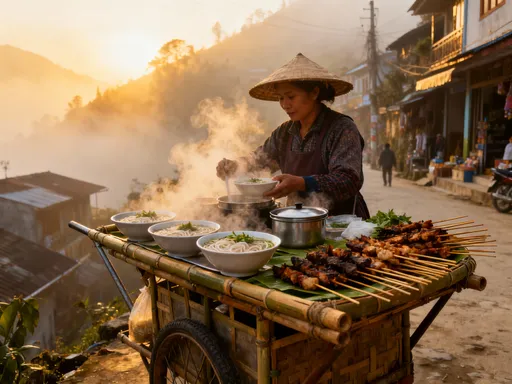
When you arrive in Sapa, one of the first things you’ll notice is the aroma—wood smoke, grilled meat, fresh herbs, and the tang of pickled vegetables. It’s a sensory invitation, and the best way to respond is with curiosity. Start with Pho Sapa, a heartier cousin to the southern version. The broth is richer, simmered longer with beef bones and local spices, and served with a side of pickled mustard greens and fresh chili. Look for small stalls near the market entrance where older women ladle soup from steaming pots into chipped ceramic bowls. Eat it early in the morning, when the air is still crisp and your appetite is sharp.
Another dish that defines Sapa’s bold flavors is Thắng Cố, a traditional H’mong stew with a complex history and even more complex taste. Made from a mix of horse meat and offal, slow-cooked with a blend of wild herbs and spices, it’s not for the faint-hearted. The aroma is strong, the texture varied, and the flavor deeply savory. While some visitors shy away, those who try it often find it surprisingly delicious. The key is respect—approach it not as a dare, but as a cultural experience. Many H’mong families prepare it for festivals and family gatherings, and eating it is a way of honoring their heritage. You’ll find it at ethnic markets on market days, often served in communal bowls with cornbread on the side.
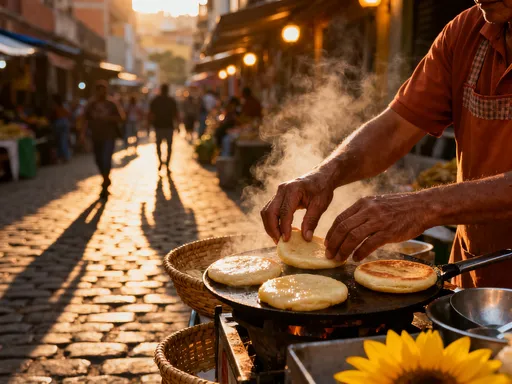
For something more approachable, try the grilled meats on bamboo skewers sold by vendors near the morning market. Watch as they rotate skewers over glowing coals, basting them with a mix of fish sauce, garlic, and chili. Pork, chicken, and even grilled tofu are common, each infused with smoky depth. These are perfect for snacking as you wander, best enjoyed with a cold bottle of local beer or sugarcane juice. Look for stalls with a steady stream of locals—this is always a good sign of quality and freshness.
No food journey in Sapa is complete without a mountain-style banh mi. Unlike the city versions, these sandwiches often use slightly denser baguettes, a legacy of French influence, but the fillings are distinctly highland. Expect generous layers of pâté, shredded pork, pickled carrots and daikon, fresh cilantro, and a spicy homemade chili sauce that lingers on the tongue. Some vendors even add slices of grilled sausage or fried egg for extra richness. Find them at small breakfast stands tucked behind Cau May Church, where workers and schoolchildren line up before sunrise.
And for a true taste of local hospitality, try corn wine, a clear, potent spirit made from fermented mountain corn. It’s often served in small ceramic cups at family homes or homestays, especially during evening meals. The flavor is earthy, slightly sweet, and warming—perfect for cool mountain nights. While you can find it in some tourist shops, the best and most authentic versions come from family-run stalls or direct invitations from hosts. Sip slowly, accept refills with gratitude, and let the warmth spread through you as stories are shared in broken English and warm smiles.
When to Eat: Timing Your Food Adventures
Timing is everything when it comes to street food in Sapa. The rhythm of daily life here is different from city centers, and the best meals happen when locals are eating—not when tour buses arrive. Early mornings, between 5:00 and 7:00 AM, are a golden window. This is when breakfast stalls come alive, steaming pots of pho and rice porridge bubbling over charcoal stoves. The air is filled with the scent of fresh herbs and toasted baguettes, and the streets are quiet except for the clatter of bowls and soft chatter. This is the perfect time to experience Sapa’s food culture in its most natural state.
Evenings, from 6:00 to 9:00 PM, offer another peak moment for culinary exploration. As the sun dips behind the mountains and fog rolls in, food vendors set up along alleyways and market edges. Grills flare to life, and families gather for dinner on low plastic stools. This is when you’ll find the widest variety of dishes—everything from grilled fish to steamed dumplings to hot pots simmering with herbs and meats. The atmosphere is lively but never rushed, and the pace allows you to savor each bite and engage with vendors.
One of the most exciting times to visit Sapa for food lovers is during market days—Tuesdays, Thursdays, Saturdays, and Sundays. On these days, people from surrounding villages descend into town, bringing not just goods but also regional specialties. You’ll find pop-up food stands selling rare dishes like boiled buffalo skin, fermented bamboo shoots, and sticky rice cooked in bamboo tubes. These temporary vendors often offer the most authentic and diverse flavors, as they prepare food from their own kitchens and traditions. Arrive early to beat the crowds and watch the market transform from a quiet town center into a vibrant hub of commerce and culture.
On the other hand, lunchtime in Sapa’s main tourist area can be disappointing. Restaurants along the central drag are often crowded with tour groups, and the food tends to be overpriced and watered down to suit foreign palates. Portions may be larger, but the flavors are less vibrant. Instead of eating at noon, use that time to explore—hike to Cat Cat Village, visit a textile cooperative, or browse handicrafts. Save your appetite for the evening, when the real culinary magic unfolds.
Where to Go: From Market Stalls to Hidden Alleys
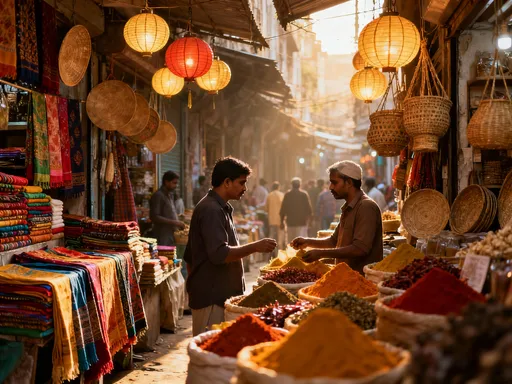
The Sapa Central Market is the beating heart of the town’s food scene. While tourists often visit for souvenirs and photos, the market is first and foremost a place of daily sustenance. The ground floor overflows with fresh produce—purple yams, wild mushrooms, bunches of lemongrass, and baskets of red rice. But it’s the upper level that food lovers should seek out: a maze of small stalls serving ready-to-eat meals. Here, you’ll find women in traditional H’mong clothing dishing out steaming bowls of soup, men flipping grilled sausages on iron griddles, and families sharing meals at communal tables. Prices are low, portions are generous, and the energy is electric.
Just a few steps away, the backstreets behind Cau May Church offer a quieter but equally rewarding experience. These narrow lanes are lined with family-run breakfast spots that open before dawn. Locals—teachers, shopkeepers, farmers—gather here for their morning meal, creating a warm, communal atmosphere. One popular stall serves a version of congee made with cornmeal and shredded chicken, topped with fried shallots and a splash of fish sauce. Another offers boiled eggs with a side of spicy dipping sauce and fresh mint. These spots are easy to miss if you’re sticking to the main roads, but they offer some of the most authentic and comforting food in town.
For a deeper immersion, consider joining a homestay meal with a H’mong or Tay family. Many homestays in surrounding villages like Ta Van or Lao Chai include dinner and breakfast as part of the stay. Sitting on the floor of a wooden house, sharing food from shared dishes, you’ll taste dishes you won’t find anywhere else—like smoked pork with wild ginger, or bamboo shoot soup simmered for hours. These meals are more than just food; they’re acts of hospitality, windows into a way of life that values community, simplicity, and gratitude.
When choosing where to eat, use a few simple rules to ensure quality and safety. First, look for stalls with high turnover—this means the food is fresh and constantly being replaced. Second, watch for locals queuing. If a Vietnamese person is willing to wait in line, it’s usually a good sign. Third, observe hygiene practices: clean hands, covered ingredients, and separate utensils for raw and cooked foods. While street food in Sapa is generally safe, being mindful helps you avoid any unpleasant surprises. Trust your instincts—if something looks off, move on to the next stall. There are always more options.
How to Order Like a Local
Ordering food in Sapa doesn’t require fluent Vietnamese, but a few simple phrases can go a long way. Start with “Cho tôi…” (Give me…), followed by the dish name or pointing. It’s basic, effective, and often met with a smile. If you’re unsure what something is, ask “Cái này là gì?” (What is this?) while pointing. Most vendors are happy to explain, sometimes using gestures or showing ingredients. Don’t be afraid to point—many street food menus are visual, and choosing with your eyes is perfectly acceptable.
Portion sizes in Sapa are often smaller than Western expectations, and that’s by design. Meals are meant to be sampled one at a time, shared among friends, or eaten in multiple small courses. A single bowl of pho might be enough for one person, but grilled skewers are usually sold in sets of two or three, encouraging you to try different things. This grazing style allows you to experience more flavors without overeating. Embrace it as part of the experience—slow down, savor each bite, and let the meal unfold naturally.
One important thing to remember: cash only. Street vendors and small family-run stalls do not accept credit cards or digital payments. Carry small denominations of Vietnamese dong—50,000 and 100,000 notes are most useful. Having exact change isn’t necessary, but it helps speed up the transaction. Keep your money in a secure pocket, and always count your change. Most vendors are honest, but in busy markets, mistakes can happen.
Finally, don’t rush. Ordering street food in Sapa is not a transaction—it’s a moment of connection. Take time to watch the cook at work, to smile, to say thank you. A simple “Cảm ơn” (thank you) can brighten someone’s day. These small interactions transform a meal from consumption into relationship. And that, perhaps more than any dish, is what makes Sapa’s food culture so special.
What to Avoid: Common Food Mistakes Tourists Make
Even the most well-intentioned travelers can fall into traps when navigating Sapa’s food scene. One of the most common mistakes is overpaying at tourist-heavy restaurants. Establishments along the main road often have English menus with inflated prices—sometimes double or triple what locals pay. A bowl of pho that costs 30,000 VND at a street stall might be listed for 100,000 VND or more in a tourist spot. To avoid this, step off the main drag. Walk a few blocks in any direction, and you’ll find smaller, family-run places with no English signs but better food and fair prices.
Another critical issue is water safety. While Sapa’s tap water is not safe to drink, some vendors may offer tea or soup made with unboiled water. Always stick to bottled water, and when in doubt, ask for boiled water or tea. Reputable stalls will use purified or boiled water for cooking, but it’s better to be cautious. Carry a reusable bottle with a filter if you’re environmentally conscious, but ensure it’s designed for travel in rural areas.
Spice levels can also catch visitors off guard. Vietnamese cuisine often uses chili generously, and what seems mild to locals can be fiery for unaccustomed palates. Before eating, ask “Có cay không?” (Is it spicy?) and watch the vendor’s reaction. A nod, a smile, or a warning gesture means proceed with caution. If you’re sensitive to heat, request “ít cay” (less spicy). Most cooks are happy to adjust, especially when they see you’re trying to respect their food.
Perhaps the most important thing to avoid is disrespecting food customs. In Sapa, sharing a meal is an act of trust and friendship. If a host family offers you food—especially something like corn wine or a home-cooked dish—it’s considered impolite to refuse outright. Even if you’re full or unsure about the dish, accept a small portion and express gratitude. You don’t have to finish it, but showing appreciation matters deeply. These gestures build bridges, turning a simple meal into a meaningful exchange.
Making the Most of Your Culinary Journey
To truly deepen your experience, go beyond eating and engage with the culture behind the food. Many homestays and local guides offer cooking classes where you can learn to make dishes like Thắng Cố or grilled pork with lemongrass. These sessions often begin with a visit to the market, where you’ll select fresh ingredients alongside your host. Back in the kitchen, you’ll learn traditional techniques—how to pound spices in a mortar, how to wrap food in banana leaves, how to balance flavors without recipes. These hands-on experiences create lasting memories and a deeper appreciation for the cuisine.
Another enriching option is a farm-to-table tour, where you visit a local farm, help harvest ingredients, and then eat a meal prepared with what you’ve gathered. These tours are especially popular in villages like Ta Phin or Muong Hoa, where families grow their own vegetables, raise pigs, and ferment sauces. Participating in the process—from soil to plate—connects you to the land and the people in a profound way. It’s a reminder that food is not just fuel, but a story of labor, tradition, and care.
Documenting your journey can also enhance the experience. Take photos, but always ask permission first—especially when photographing people or family meals. A quick smile and a gesture can go a long way. Keep a small notebook for tasting notes: what you ate, where, how it tasted, and how it made you feel. These details will stay with you long after the trip. And when you share your photos or stories later, you’ll be sharing more than food—you’ll be sharing moments of human connection.
Finally, support the local economy by choosing family-run stalls, homestays, and small cooperatives over commercial setups. Every meal you buy from a local vendor puts money directly into a household, helping sustain traditions and livelihoods. Avoid chain-like restaurants or foreign-owned cafes that import ingredients and send profits elsewhere. Your choices matter. By eating where locals eat, you become part of a system that values authenticity, community, and sustainability.
Making the Most of Your Culinary Journey
Sapa’s cuisine is more than sustenance—it’s a story of resilience, community, and mountain life. By stepping off the beaten path and into the warmth of a street vendor’s smile or a homestay kitchen, you don’t just taste food—you taste belonging. Let your hunger guide you, stay curious, and let every bite deepen your journey.