You Won’t Believe What I Captured at the Grand Canyon
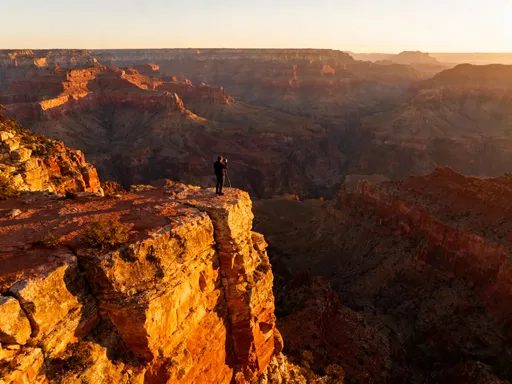
Standing on the edge of the Grand Canyon at sunrise, camera in hand, I felt like the world had paused just for me. The light spilled over the cliffs in golden waves, painting layers of rock that told millions of years of Earth’s story. This isn’t just a landmark—it’s a photographer’s dream come true. If you’ve ever wanted to capture nature in its rawest form, this place will redefine what you think is possible. With its vast scale, dramatic lighting, and ever-changing weather, the Grand Canyon offers endless opportunities for breathtaking photography. Whether you're a seasoned professional or an enthusiastic amateur, the canyon invites you to slow down, observe deeply, and connect with the landscape in a meaningful way. This guide will walk you through the essential moments, locations, techniques, and ethical considerations that can help you capture not just images, but lasting memories.
First Light, Best Light: Chasing Sunrise at the South Rim
The Grand Canyon reveals its most magical self in the early morning hours. As the sun rises above the Kaibab Plateau, the first rays gently kiss the canyon walls, transforming them from shadowed silhouettes into glowing masterpieces. The South Rim, open year-round and easily accessible, is the ideal starting point for sunrise photography. Mather Point, one of the most popular overlooks, offers a broad, unobstructed view of the canyon’s eastern expanse. Its wide platform accommodates photographers without crowding, and the railing is low enough to allow clear tripod placement. Arriving at least 45 minutes before sunrise ensures you have time to set up, compose your shot, and adjust settings as the light evolves.
Yaki Point, reachable via the park’s free shuttle system, provides a more secluded experience. Closed to private vehicles, this location sees fewer visitors, allowing for a quieter, more contemplative atmosphere. The view from Yaki Point looks directly into the heart of the canyon, with the Colorado River winding far below. The soft, diffused light during sunrise enhances the depth of the scene, bringing out subtle variations in the rock strata. Shadows stretch dramatically across the cliffs, adding dimension and contrast to your images. Using a wide-angle lens here allows you to capture both the expansive vista and the intricate textures of the nearby rim.
What makes sunrise so powerful for photography is the quality of light. The low angle of the sun produces long shadows and warm tones, emphasizing the canyon’s rugged topography. Unlike midday light, which can be harsh and flat, morning illumination sculpts the landscape, revealing layers and contours that might otherwise go unnoticed. This is also the time when atmospheric haze is minimal, resulting in clearer, more vivid images. For best results, use a tripod to ensure sharpness, especially in lower light conditions, and consider bracketing your exposures to capture the full dynamic range of the scene.
Patience is key. Even after the sun crests the horizon, the light continues to shift for another 30 to 45 minutes. Watching the canyon warm from cool blues and purples to rich golds and ambers is a reward in itself. Many photographers make the mistake of packing up too soon, missing the subtle transitions that occur just after sunrise. Staying longer allows you to experiment with different compositions—zooming in on a particular rock formation, capturing reflections in a dew-covered lens hood, or including a lone juniper tree in the foreground for scale. These small details can elevate your images from ordinary to extraordinary.
The Hidden Vantage: Off-the-Beaten-Path Spots for Unique Shots
While Mather and Yaki Points offer stunning views, they are frequented by large numbers of visitors, especially during peak seasons. For photographers seeking originality and solitude, venturing beyond the main overlooks is essential. Along Desert View Drive and Hermit Road, several lesser-known pullouts and trailheads provide fresh perspectives without compromising accessibility. These spots allow you to avoid crowds while still capturing the grandeur of the canyon in unique ways.
Desert View Drive, stretching east from Grand Canyon Village, leads to the historic Desert View Watchtower—a structure designed by Mary Colter that blends seamlessly into the landscape. Just before reaching the tower, Lipan Point offers one of the most comprehensive views of the eastern canyon. Unlike the more central viewpoints, Lipan allows you to see the Colorado River snaking through the Inner Gorge, framed by layered cliffs that recede into the distance. The absence of guardrails here requires caution but provides unimpeded sightlines for wide-angle and panoramic shots. Because it’s slightly off the main tourist path, Lipan tends to be less crowded, especially in the early morning or late afternoon.
Further west along Hermit Road, which is closed to private vehicles from March through November, lie several hidden gems accessible only by shuttle or foot. Hermits Rest, the road’s western terminus, is a popular stop, but the real photographic opportunities begin with the short hike to Hopi Point. This elevated overlook faces due west, making it one of the best places in the park for sunset photography. However, visiting at sunrise offers a different kind of magic—the soft backlighting enhances the canyon’s depth and creates a serene, almost ethereal mood. The trail from Hermits Rest to Hopi Point is paved and well-maintained, suitable for carrying camera gear, though a lightweight backpack is recommended.
Another underutilized spot is Monument Creek Vista, located along Desert View Drive. This pullout provides a rare north-facing view, allowing you to photograph the canyon’s shadowed side during sunrise. The interplay of light and dark across the rock layers creates a moody, dramatic effect, perfect for black-and-white conversions or high-contrast editing. Because few tourists stop here, you can take your time setting up shots without interference. Always check trail conditions and weather before heading out, and carry plenty of water, especially during warmer months. Staying safe ensures you can focus on your craft without unnecessary risk.
Golden Hour Magic: How Light Shapes the Canyon’s Mood
Light is the most powerful tool in a landscape photographer’s kit, and nowhere is this more evident than at the Grand Canyon. The two golden hours—shortly after sunrise and just before sunset—offer the most dynamic and emotionally resonant lighting conditions. During these times, the sun sits low on the horizon, casting a warm, golden glow that saturates the canyon’s red and orange rock layers. The extended shadows add depth and dimension, turning flat vistas into three-dimensional works of art.
At dawn, the canyon often begins in cool, blue tones as the first light creeps across the eastern rim. Within minutes, these hues shift to soft pinks and lavenders, then deepen into amber and crimson as the sun climbs higher. This gradual transformation allows photographers to capture a sequence of images that tell a visual story of the day’s beginning. Using a polarizing filter can enhance the contrast between sky and land, deepening the colors without over-saturation. A graduated neutral density filter helps balance the exposure between the bright sky and darker canyon floor, preserving detail in both highlights and shadows.
Evening golden hour presents a different character. As the sun descends, the western walls of the canyon ignite in fiery reds and deep maroons, while the eastern side falls into cool shadow. This contrast creates a natural duality in your compositions—warmth against coolness, light against dark. Hopi Point and Pima Point are particularly effective for sunset photography, offering unobstructed westward views. Arriving early ensures you can secure a good position and set up your gear before the light begins to change rapidly.
The magic doesn’t end when the sun disappears. Twilight, the period just after sunset, often produces some of the most striking colors of the day. The sky can explode into vibrant oranges, pinks, and purples, reflecting off the canyon walls in a phenomenon known as alpenglow. This fleeting moment lasts only a few minutes but can yield unforgettable images. Keeping your camera ready and using manual settings allows you to adapt quickly to the shifting light. Shooting in RAW format preserves maximum data, giving you greater flexibility during post-processing to bring out the full richness of the scene.
Gear Talk: What to Bring (And What You Can Skip)
Photographing the Grand Canyon requires thoughtful preparation, especially when it comes to equipment. The park’s rugged terrain, variable weather, and long walks between viewpoints mean that every ounce in your pack matters. A well-balanced kit should prioritize versatility, durability, and ease of use without sacrificing image quality.
A sturdy tripod is non-negotiable for most landscape shots, particularly during low-light conditions at sunrise and sunset. Carbon fiber tripods offer a good balance of strength and weight, making them ideal for hiking. Look for models with adjustable legs that can handle uneven ground and a center column that can be positioned horizontally for low-angle shots. A ball head with smooth movement allows for quick repositioning, which is crucial when light changes rapidly.
In terms of lenses, a wide-angle lens (16–35mm) is essential for capturing the vastness of the canyon. It allows you to include both the expansive view and foreground elements like rocks or plants for scale. A mid-range zoom (24–70mm) is excellent for tighter compositions, while a telephoto lens (70–200mm) lets you isolate distant rock formations, compress perspective, and capture details that aren’t visible to the naked eye. While it may be tempting to bring every lens you own, limiting yourself to two or three reduces weight and decision fatigue.
A DSLR or mirrorless camera with manual controls gives you full creative freedom. Ensure your camera is weather-sealed, as sudden wind, dust, or light rain can occur even on clear days. Bring extra batteries—cold morning temperatures can drain power quickly—and at least two high-capacity memory cards. A lens cloth and blower brush are small but critical tools for keeping your gear clean in dusty conditions.
What you can leave behind is just as important. Heavy lighting equipment, studio flashes, or drones are unnecessary and often prohibited. Drones, in particular, are banned within national parks to protect wildlife and visitor experience. A simple backpack with padded compartments, a rain cover, and comfortable straps will serve you better than a bulky professional case. Remember, the goal is to move freely and respond to the moment, not be weighed down by excess gear.
Storms & Drama: Shooting the Canyon in Changing Weather
While clear skies are often ideal for photography, the Grand Canyon takes on a completely different character during changing weather. Passing storms, cloud breaks, and dramatic skies can transform an ordinary scene into something extraordinary. These dynamic conditions add emotional intensity and visual interest to your images, creating a sense of movement and power that calm days sometimes lack.
Summer afternoons often bring monsoon-season thunderstorms, especially from July to September. While rain at the rim may seem discouraging, it can produce stunning visual effects. Watch for cloud breaks—moments when sunlight pierces through dark storm clouds, illuminating a single section of the canyon. These “gods rays” create a divine, almost spiritual atmosphere in photographs. Position yourself where the light is likely to fall, such as near the Colorado River or a prominent rock spire, and use a tripod to capture the evolving scene.
Rain shafts, visible columns of precipitation descending from clouds, add depth and drama when backlit by sunlight. To photograph them effectively, use a slightly slower shutter speed to render the rain as soft streaks. A polarizing filter can help reduce glare and enhance cloud definition. Always protect your camera with a rain sleeve or plastic bag with a clear lens window—electronics and moisture don’t mix.
Safety is paramount when shooting in stormy conditions. Lightning is a real danger, especially on exposed rims. If you hear thunder, seek shelter immediately and avoid open areas, tall objects, and metal structures. The park’s visitor centers and restrooms provide safe refuge. Never compromise your well-being for a photo. Additionally, wet trails can become slippery, so wear sturdy footwear with good traction and stay on designated paths.
Even fog and mist can elevate your images. On cool mornings, layers of fog often pool in the canyon, obscuring the river and creating a sense of mystery. As the sun warms the air, the fog slowly lifts, revealing the landscape piece by piece. Capturing this transition can result in a series of images that feel almost cinematic. Use a tripod and manual focus to ensure clarity, as autofocus can struggle in low-contrast conditions.
Beyond the View: Detail Shots That Tell a Deeper Story
While panoramic views dominate most Grand Canyon photography, some of the most compelling images come from looking closely. Zooming in on small details—cracked desert soil, weathered rock patterns, a single wildflower clinging to life—adds narrative depth and emotional resonance to your portfolio. These close-ups remind viewers that the canyon is not just a distant spectacle, but a living, breathing ecosystem.
Use a macro lens or the close-focusing capability of a standard zoom to explore textures. The canyon’s rock layers, formed over millions of years, tell a geological story visible in every fracture and ripple. A tight shot of cross-bedded sandstone, for example, can resemble abstract art while also conveying the power of wind and water over time. Similarly, the cracked surface of dried mud in a seasonal wash speaks to the arid climate and the cycle of rain and drought.
Look for contrasting elements—soft greenery against red rock, a delicate spiderweb glistening with dew, or lichen clinging to a boulder. These details not only enrich your visual storytelling but also slow down your experience, encouraging mindfulness and deeper connection with the environment. Including a few detail shots in your collection balances the grandeur of wide-angle images with intimacy and vulnerability.
When composing close-ups, pay attention to lighting and background. Side lighting enhances texture, while backlighting can make translucent subjects glow. Use a shallow depth of field to isolate your subject and blur distracting elements. A small reflector or diffuser can help manage harsh sunlight, though natural light is usually sufficient. These shots don’t require elaborate setups—sometimes a few minutes of quiet observation yield the most powerful images.
Preserving the Moment: Ethical Photography in a Fragile Landscape
The Grand Canyon is not just a backdrop for photography—it’s a protected natural treasure that belongs to everyone. As photographers, we have a responsibility to minimize our impact and preserve the integrity of the landscape. Ethical practices ensure that future generations can experience the canyon’s beauty just as we do today.
Following Leave No Trace principles is essential. Stay on designated trails and use established viewpoints. Venturing off-trail may seem harmless, but it accelerates erosion, damages fragile vegetation, and disturbs wildlife. What might look like bare ground is often a cryptobiotic soil crust—a living community of bacteria, lichens, and fungi that takes decades to form and plays a crucial role in preventing desert erosion.
Never move rocks, cacti, or other natural features to improve a composition. While rearranging elements might seem minor, it sets a precedent that undermines conservation efforts. Similarly, avoid stacking stones into cairns unless they are part of official trail markers. Unauthorized cairns can confuse hikers and disrupt cultural sites.
Respect wildlife by observing from a distance. Do not approach animals for photographs, and never feed them. The park is home to mule deer, elk, ravens, and even mountain lions—each plays a role in the ecosystem. Using a telephoto lens allows you to capture intimate animal portraits without intrusion.
Finally, be mindful of other visitors. Set up your tripod in a way that doesn’t block pathways or obstruct views. If a viewpoint is crowded, wait your turn or return later. Your presence should enhance, not detract from, the shared experience of the canyon. By practicing patience, humility, and care, you honor not only the land but also the spirit of stewardship that defines responsible travel.
The Grand Canyon isn’t just a destination—it’s a living canvas. Every photo you take is part of a larger story about time, nature, and human connection. With patience, preparation, and respect, your lens can capture not just what the canyon looks like, but how it makes you feel. From the first light of dawn to the quiet moments between storms, the canyon invites you to see deeply, act responsibly, and create images that inspire wonder. Whether you’re standing at a crowded overlook or a secluded rim, remember that the most powerful photographs are not just seen—they are felt. And in that feeling lies the true magic of the Grand Canyon.