How I Started Winning My Health Back Without Any Magic Tricks
Losing weight and managing obesity felt impossible until I changed how I saw health. It wasn’t about quick fixes, but small, daily choices that added up. I struggled for years—endless diets, confusion, burnout—until I found a sustainable way. This is the real talk: no hype, no miracles, just what actually worked. If you're starting your journey, this is for you. Always consult a healthcare professional before making changes.
The Hidden Struggle: What Obesity Really Feels Like
Living with obesity is more than carrying extra weight—it's carrying fatigue, frustration, and a quiet sense of isolation. Many women between 30 and 55 know this well. They wake up each morning already tired, their bodies heavy before the day has even begun. Simple tasks like climbing stairs, playing with children or grandchildren, or shopping for clothes become sources of stress. The mirror reflects not just a body, but a story of repeated attempts, failed promises, and emotional exhaustion. This burden isn’t visible to others, but it’s felt deeply.
Obesity affects how you move, how you feel, and how you see yourself. Joint pain becomes routine, energy dips in the afternoon are expected, and the idea of starting a new routine feels overwhelming. It’s not just about appearance—though societal pressure adds to the strain. It’s about function. Can you walk without discomfort? Can you keep up with daily life without needing to rest? These are real concerns that shape quality of life. Over time, the emotional toll grows: confidence fades, social invitations are declined, and a sense of helplessness takes root.
Yet many continue in silence, believing they’ve failed personally rather than recognizing the complexity of weight management. They’ve tried counting calories, cutting out entire food groups, or following celebrity diets. When those don’t last, they blame themselves. But the truth is, long-term health isn’t about willpower alone. It’s about understanding the body, making informed choices, and creating systems that support lasting change. Recognizing this internal struggle is the first step toward real progress.
Why Quick Fixes Fail: The Truth About Crash Diets and Trends
The appeal of rapid weight loss is understandable. When you feel stuck, the promise of losing 10 pounds in two weeks sounds like hope. But crash diets—extreme restrictions, juice cleanses, or eliminating entire macronutrients—don’t lead to lasting results. They may cause short-term changes on the scale, but they often trigger metabolic slowdown, muscle loss, and rebound weight gain. The body responds to severe calorie restriction by conserving energy, making it harder to burn calories over time. This biological adaptation is not a flaw—it’s survival.
Additionally, these diets rarely account for sustainability. Cutting out all carbohydrates, for example, might reduce weight initially due to water loss, but it’s difficult to maintain. When normal eating resumes, weight returns—often with extra pounds. More importantly, restrictive eating can disrupt hunger signals, leading to cycles of deprivation and overeating. The psychological toll is real: guilt, shame, and a fractured relationship with food. What begins as discipline can become obsession, and that’s not health.
Science supports a different approach. Studies show that gradual weight loss—about 1 to 2 pounds per week—is more likely to be maintained long-term. This pace allows the body to adjust, preserves muscle mass, and gives time to build new habits. Instead of focusing on how fast you lose weight, the goal should be how well you can sustain your choices. Sustainable health isn’t built on elimination or punishment. It’s built on balance, consistency, and respect for your body’s needs. Lasting change doesn’t come from extremes—it comes from what you can live with, day after day.
Small Shifts, Big Results: The Power of Micro-Habits
The most effective changes are often the smallest ones. Rather than overhauling your entire life overnight, focusing on micro-habits—tiny, repeatable actions—creates lasting momentum. These aren’t dramatic gestures, but quiet commitments that add up over time. For example, drinking a glass of water before each meal can reduce unnecessary snacking. Walking for 10 minutes after dinner aids digestion and supports circulation. These actions seem minor, but their cumulative effect is powerful.
One reason micro-habits work so well is that they don’t overwhelm the brain’s resistance to change. Big goals like “lose 50 pounds” or “exercise every day” can feel daunting, triggering avoidance. But “drink one more glass of water today” or “take the stairs once” feels manageable. Success with small actions builds confidence and rewires habits gradually. Over weeks, these behaviors become automatic—no willpower required.
Another benefit is consistency. Missing one day of a strict routine can feel like failure, but missing a micro-habit doesn’t derail progress. The key is frequency, not perfection. Over time, stacking small habits creates a new normal: drinking more water leads to better hydration, which reduces false hunger cues. Walking after meals improves blood sugar control, which supports energy levels. Mindful eating—pausing before meals, chewing slowly—helps recognize fullness, preventing overeating. These are not shortcuts. They are the foundation of real, lasting change.
Food Is Fuel: Rethinking Your Relationship with Eating
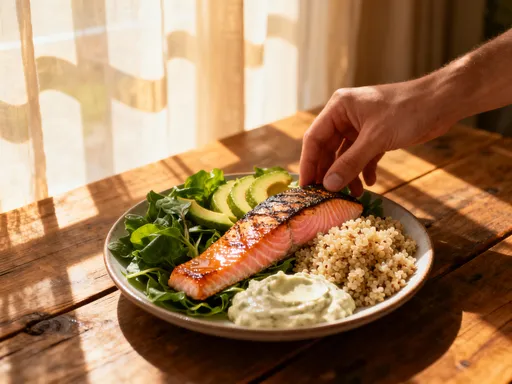
Nutrition isn’t about labeling foods as “good” or “bad.” That kind of thinking creates guilt and restriction, which often leads to bingeing later. Instead, viewing food as fuel shifts the focus from punishment to purpose. Every meal is an opportunity to nourish your body, support energy, and maintain health. The goal isn’t perfection—it’s progress. A balanced plate includes protein, fiber, healthy fats, and complex carbohydrates, which work together to keep you full, focused, and energized.
One practical way to improve eating habits is through portion awareness. Using smaller plates, serving food in the kitchen instead of eating from packages, and pausing halfway through a meal can help regulate intake. Another is increasing whole foods—vegetables, fruits, whole grains, lean proteins—while gradually reducing processed items high in added sugar, salt, and unhealthy fats. This isn’t about banning treats, but about making them occasional rather than routine. The body thrives on consistency, not extremes.
Listening to hunger and fullness cues is also essential. Many people eat on a schedule or out of habit, not because they’re hungry. Learning to distinguish physical hunger from emotional eating—boredom, stress, or fatigue—takes practice. Simple strategies like drinking water first, waiting 10 minutes before seconds, or journaling feelings before eating can build awareness. Over time, this leads to a more intuitive relationship with food—one where eating feels satisfying, not shameful. Food should sustain life, not complicate it.
Move Naturally: Finding Joy in Daily Activity
Physical activity doesn’t require a gym membership, expensive equipment, or hours of intense workouts. For many women in midlife, the idea of exercise feels intimidating or unattainable. But movement is not the same as exercise. It’s built into daily life: walking to the mailbox, gardening, dancing while cooking, or playing with a pet. These moments of motion add up and contribute to overall health. The key is consistency, not intensity.
Regular movement supports more than weight management. It improves circulation, strengthens muscles and bones, enhances mood through natural endorphins, and supports joint flexibility. Even light activity after meals—like a 10-minute walk—can help regulate blood sugar levels, which is especially important for long-term metabolic health. The benefits are both physical and emotional: more energy, better sleep, and a greater sense of control.
Finding joy in movement increases the likelihood of sticking with it. Some enjoy walking with a friend, listening to audiobooks or music along the way. Others prefer gentle stretching or chair-based exercises at home. The goal is to move in ways that feel good, not punishing. Over time, these activities become part of a routine, not a chore. And as strength and stamina improve, new possibilities open—like hiking on vacation, keeping up with grandchildren, or simply feeling more capable in daily life. Movement is not about punishment. It’s about reclaiming vitality.
Sleep, Stress, and Hormones: The Silent Players in Weight Management
Two often overlooked factors in weight management are sleep and stress. Both have a profound impact on hormones that regulate appetite, metabolism, and fat storage. When sleep is poor or inconsistent, the body produces more ghrelin—the hunger hormone—and less leptin—the fullness hormone. This imbalance increases cravings, especially for sugary, high-calorie foods. Over time, chronic sleep deprivation makes weight loss more difficult, even with healthy eating and exercise.
Similarly, chronic stress raises cortisol levels, a hormone linked to increased abdominal fat and insulin resistance. When stress is constant—whether from work, family responsibilities, or personal worries—the body remains in a heightened state, storing energy rather than burning it. This biological response made sense in times of danger, but in modern life, it works against health goals. Emotional eating, late-night snacking, and fatigue-driven inactivity are often symptoms of unmanaged stress.
Improving sleep and reducing stress are not luxuries—they are essential parts of health optimization. Simple routines can make a difference: going to bed and waking up at the same time, reducing screen time before bed, creating a calming bedtime ritual, or practicing deep breathing. Even 5 minutes of quiet reflection or gentle stretching can lower cortisol. These practices don’t require extra time or money, but they support the body’s natural balance. When rest and calm are prioritized, weight management becomes more achievable, not because of willpower, but because the body is finally supported.
Staying on Track: Building a Supportive Environment
Lasting change depends on more than personal motivation—it depends on environment. If your kitchen is filled with processed snacks, your schedule is packed with obligations, and your mindset focuses on perfection, sustainable progress is difficult. But small adjustments can create a space where healthy choices feel easier. Start with the kitchen: keep fruits and vegetables visible, store healthier snacks at eye level, and limit impulse buys by planning meals ahead. These visual and logistical cues reduce decision fatigue and support better eating.
Time management also plays a role. Scheduling movement, meal prep, or even rest periods increases the chance they’ll happen. Treating these activities as non-negotiable appointments—like a doctor’s visit or school pickup—reinforces their importance. Tracking progress can be helpful, but it should focus on behaviors, not just the scale. Noting how many days you walked, drank enough water, or slept well provides a fuller picture of success. The scale may fluctuate, but habits build momentum.
Equally important is mindset. Progress is not linear. There will be days when plans fall apart—meals are missed, walks skipped, stress levels high. That’s normal. What matters is returning to your routine without self-criticism. Self-compassion is not weakness—it’s strength. It allows you to keep going, even after setbacks. And when needed, seeking support from a doctor, dietitian, or counselor is a sign of wisdom, not failure. Health is not a solo journey. It’s supported by knowledge, community, and professional guidance.
Conclusion: Your Health, Your Journey
Managing obesity and reclaiming health is not about finding a magic solution. It’s about making small, consistent choices that honor your body and lifestyle. The journey looks different for everyone. For some, it starts with drinking more water. For others, it’s walking after dinner or improving sleep. What matters is beginning—no matter how small the step. Each positive choice builds confidence, creates momentum, and moves you closer to lasting well-being.
This path is not about perfection. It’s about progress. It’s about replacing guilt with understanding, restriction with balance, and isolation with support. You don’t have to do everything at once. You just have to start. And as you do, you’ll discover that health is not a destination—it’s a daily practice. It’s the way you treat your body, the choices you make, and the care you offer yourself. With patience, consistency, and professional guidance, real change is possible. Always consult a healthcare provider before beginning any new health program. Your journey is yours—and it’s worth taking.