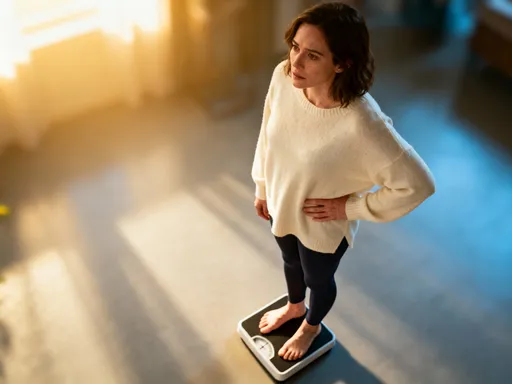
Finding My Footing: How I Learned to Trust My Balance Again
Balance isn’t something I ever thought about—until I started stumbling for no reason. As someone managing a long-term health condition, I realized poor balance wasn’t just annoying; it was a warning sign. With my doctor’s guidance, I explored simple, science-backed ways to improve stability. This is what worked for me, from small daily habits to mindset shifts—no magic tricks, just progress. What began as concern over near-misses in the kitchen evolved into a deeper understanding of how the body maintains equilibrium, and how easily that system can be disrupted without us noticing. Over time, I learned that balance is not just physical—it’s a reflection of how well we care for our overall health.
The Moment I Knew Something Was Off
It started with small things—reaching for a coffee mug and swaying slightly, standing up from the couch and feeling the room tilt for just a second, or turning around in the kitchen and nearly bumping into the counter. At first, I dismissed these moments as fatigue or distraction. I told myself I was just moving too fast or hadn’t had enough water. But when the stumbles began happening more than once a week, I could no longer ignore them. One morning, while stepping off the curb, I wobbled so much that I had to grab a lamppost to steady myself. That was the moment I realized something was truly different.
Emotionally, it was unsettling. I had always considered myself steady and capable. I managed a household, stayed active, and took care of my health. Now, I felt vulnerable in situations that used to feel routine. The fear of falling—especially when no one was around—began to creep into my mind. I started avoiding certain tasks, like carrying laundry upstairs or walking on uneven sidewalks. What worried me most wasn’t just the physical risk, but the loss of confidence in my own body. I began to question whether I could trust myself to move through the world safely.
It was during a routine check-up that I mentioned these episodes to my doctor. I expected her to brush them off or attribute them to aging. Instead, she listened carefully and asked specific questions about timing, frequency, and associated symptoms like dizziness or numbness. She explained that balance issues, even mild ones, are not just about coordination—they can be early signals of how well the body’s systems are communicating. For people managing chronic conditions such as diabetes, neuropathy, or even long-term medication use, subtle changes in balance should never be ignored. That conversation shifted my perspective: balance wasn’t a minor inconvenience—it was a vital sign.
Why Balance Matters More Than You Think
Most people don’t realize that balance is a complex, invisible process involving multiple body systems working in harmony. It’s not simply about strong legs or good posture; it’s a continuous conversation between the brain and the body. When functioning properly, this system operates silently in the background, allowing us to walk, turn, and shift positions without a second thought. But when one part of the system falters, the entire network can be affected. Research has shown that poor balance is a strong predictor of fall risk, particularly in adults over 50, and is closely linked to declining independence and quality of life.
A study published in the British Journal of Sports Medicine found that adults who could not stand on one leg for more than 10 seconds were at significantly higher risk of cardiovascular events and all-cause mortality over a decade. While this doesn’t mean poor balance directly causes disease, it suggests that balance is a sensitive marker of overall physiological health. It reflects the integration of neurological function, muscular strength, joint mobility, and sensory processing. For individuals managing long-term health conditions—such as diabetes, Parkinson’s, or peripheral neuropathy—balance disturbances may be among the first noticeable symptoms, often appearing before more obvious signs.
The good news is that balance is not fixed. Unlike some aspects of health that decline steadily with age, balance can be improved at any stage with the right approach. The key is early awareness. Waiting until a fall occurs to address balance issues is like waiting for a heart attack to start managing blood pressure. Proactive attention—paying attention to small missteps, slight dizziness, or unexplained wobbling—can lead to early interventions that prevent more serious consequences. And because balance is a skill, not just a physical trait, it can be trained, refined, and strengthened over time.
What Actually Affects Your Balance? (The Big Three Systems)
Balance relies on three primary systems: the vestibular system in the inner ear, visual input from the eyes, and proprioception—the body’s sense of where it is in space. These systems constantly send signals to the brain, which processes the information and makes micro-adjustments to keep us upright. When all three are functioning well, balance feels effortless. But if one system is impaired, the brain has to work harder to compensate, increasing the risk of instability.
The vestibular system, located in the inner ear, detects head motion and spatial orientation. It’s what helps you know whether you’re upright, tilting, or moving forward. Conditions like benign paroxysmal positional vertigo (BPPV), inner ear infections, or even certain medications can disrupt this system, leading to dizziness or a sensation of spinning. For example, a simple movement like rolling over in bed might trigger a brief episode of vertigo, making it harder to get up safely.
Visual input plays a surprisingly large role in balance. The brain uses what the eyes see to confirm body position. If vision is blurred—due to cataracts, poor lighting, or not wearing corrective lenses—this feedback becomes unreliable. Imagine walking down a flight of stairs with slightly foggy glasses: the brain receives conflicting information, increasing the chance of a misstep. Similarly, relying too heavily on vision can be problematic; people who close their eyes while standing may sway more because they’ve lost that visual anchor.
Proprioception, often called “the sixth sense,” refers to the body’s ability to sense joint position and muscle tension without looking. Nerve damage from conditions like diabetes or vitamin deficiencies can reduce sensation in the feet and legs, making it harder to detect subtle shifts in weight. Someone with reduced proprioception might not notice they’re leaning too far to one side until they’re already off balance. This is why “numb feet” is such a serious concern—it removes a critical layer of feedback. Most balance problems arise not from a single system failure, but from a combination of small deficits across all three. Recognizing which system may be contributing allows for more targeted, effective improvements.
Small Habits That Made a Noticeable Difference
After learning about the systems behind balance, I was eager to start improving mine—but I didn’t want to jump into intense routines or complicated exercises. My doctor emphasized that consistency mattered more than intensity, especially in the beginning. She suggested starting with three simple, low-effort habits that could be woven into my daily routine without adding stress or taking extra time.
The first was standing on one foot while brushing my teeth. At first, I could barely manage 10 seconds without holding onto the sink. But within a few weeks, I was balancing for 30 seconds on each side, and eventually, I could do it with my eyes closed. This small challenge engaged both my leg muscles and my proprioceptive system, training my body to stabilize on a narrow base of support. I made it a game—trying to beat my previous time or focusing on keeping my hips level.
The second habit was heel-to-toe walking down the hallway. I would walk the length of my living room with the heel of one foot touching the toe of the other, like a sobriety test. This “tandem walk” forces the body to narrow its base of support and improves coordination between the legs and core. I started with just two or three passes, gradually increasing as my confidence grew. Doing it slowly and with focus made a big difference—rushing through it defeated the purpose.
The third practice involved seated head turns. I would sit in a chair and slowly turn my head side to side, then up and down, while keeping my body still. This gentle movement helped stimulate the vestibular system and improved my ability to handle motion without dizziness. My doctor explained that controlled head movements can help retrain the brain to process spatial signals more accurately, especially if mild vestibular dysfunction is present. I did this for a few minutes each morning, often while drinking tea.
None of these habits required special equipment or a lot of time. What mattered was doing them regularly and paying attention to form. Over time, I noticed I felt steadier getting out of the car, turning corners, and even standing in line at the grocery store. These small wins built momentum, making me more willing to try other balance-supporting activities.
The Role of Strength and Flexibility in Stability
While sensory systems are crucial, physical strength and flexibility form the foundation of balance. No matter how well the brain receives signals, weak muscles can’t respond effectively. The legs, especially the calves, thighs, and hips, play a major role in maintaining posture and correcting shifts in weight. When these muscles are underused—due to inactivity, aging, or chronic illness—they lose the power to stabilize the body quickly.
I realized I had been neglecting leg strength. I walked regularly, but I wasn’t doing anything to build power in my lower body. My physical therapist introduced me to chair stands: sitting in a sturdy chair and standing up without using my hands, then slowly sitting back down. At first, it was harder than I expected. My thighs burned, and I had to hold the armrests for support. But over time, I built strength and could do multiple repetitions smoothly. This exercise not only strengthened my quadriceps and glutes but also improved my confidence in standing up from low surfaces, like the toilet or a favorite armchair.
Ankle circles were another simple yet effective addition. Sitting or lying down, I would rotate each ankle clockwise and counterclockwise, 10 to 15 times per direction. This improved joint mobility and circulation, which is especially important for people with reduced sensation or swelling in the feet. Better ankle flexibility allows for smoother weight shifts and reduces stiffness that can contribute to tripping.
Core strength also plays a quiet but vital role. The muscles around the abdomen and lower back help maintain upright posture and prevent excessive swaying. I started doing gentle seated marches—lifting one knee at a time while sitting—and pelvic tilts, where I gently rocked my pelvis forward and backward to engage the lower core. These movements may seem minor, but they build awareness and strength in areas that support balance every time we move. Over time, I noticed I stood taller, moved with more control, and felt less strain during daily tasks.
Mind-Body Awareness: Slowing Down to Stay Steady
One of the most unexpected lessons I learned was that balance isn’t just physical—it’s deeply connected to mental state. Stress, fatigue, and rushing through tasks can all impair coordination. When I was anxious or distracted, I noticed I was more likely to misstep. My breathing would become shallow, my shoulders tense, and my movements jerky. In those moments, my body wasn’t relaxed enough to respond smoothly to changes in balance.
I began incorporating mindfulness into my routine. Before standing up, I started pausing for a few seconds—planting my feet firmly, taking a deep breath, and consciously shifting my weight forward. This brief moment of awareness helped me transition more safely. I also practiced focused breathing throughout the day: inhaling slowly through the nose for four counts, holding for four, and exhaling for six. This simple technique calmed my nervous system and improved my overall sense of control.
Listening to my body’s signals became a new habit. If I felt dizzy after standing, instead of pushing through, I would sit back down and wait. If my legs felt heavy or unsteady, I would take a break. These pauses weren’t signs of weakness—they were acts of wisdom. I learned to distinguish between normal fatigue and warning signs that needed attention. Over time, this awareness extended beyond balance; I became more attuned to my energy levels, posture, and emotional state. Balance, I realized, wasn’t just about not falling—it was about moving through life with intention and care.
When to Talk to a Professional (And Why It’s Not Overreacting)
There’s a difference between occasional clumsiness and persistent balance problems. If you’re experiencing frequent near-falls, unexplained dizziness, sudden changes in coordination, or a feeling of unsteadiness that doesn’t go away, it’s important to speak with a healthcare provider. These symptoms should never be dismissed as “just part of getting older.” They may indicate underlying issues such as inner ear disorders, neurological conditions, medication side effects, or cardiovascular concerns that require evaluation.
Seeing a professional doesn’t mean you’re giving up independence—it means you’re taking charge of your health. A primary care doctor can perform initial assessments, such as checking blood pressure for orthostatic hypotension (a drop when standing) or reviewing medications that might affect balance. If needed, they may refer you to a physical therapist who specializes in vestibular rehabilitation. These therapists use targeted exercises to retrain the brain and improve balance function, often with excellent results.
One common assessment is the “timed up and go” test, where you stand from a chair, walk 10 feet, turn around, walk back, and sit down. The time it takes and your stability during the task can provide valuable insights. Other tests may include balance platforms, eye movement evaluations, or gait analysis. These tools help identify specific areas of weakness and guide personalized treatment plans. The goal isn’t perfection—it’s safety, confidence, and prevention. Seeking help early can make a significant difference in maintaining mobility and independence over time.
Stability as a Daily Practice, Not a Destination
Improving my balance didn’t happen overnight, and it didn’t require dramatic changes. It came from small, consistent choices—standing on one foot, slowing down, listening to my body, and asking for help when needed. What started as fear gradually turned into empowerment. I no longer dread walking on carpeted floors or turning quickly. I feel more grounded, both physically and emotionally.
Balance, I’ve learned, is not a fixed trait but a dynamic skill that reflects how well we care for ourselves. It’s influenced by strength, sensation, mental clarity, and daily habits. For women managing households, careers, and health conditions, it’s easy to put self-care last. But balance reminds us that stability begins with attention—to our bodies, our movements, and our well-being.
The journey isn’t about achieving perfect stillness. It’s about building resilience, reducing risk, and reclaiming confidence in everyday life. Whether you’re just noticing minor wobbles or supporting a loved one with mobility concerns, the message is the same: it’s never too early or too late to start. With awareness, small actions, and professional guidance when needed, you can strengthen your foundation—one steady step at a time.