Glow After the Struggle: How Skin Recovers When You Train It Right
Recovery isn’t just for athletes—your skin needs rehabilitation too. After years of harsh treatments and overloading my routine, I noticed dullness, sensitivity, and slow healing. That’s when I shifted focus from aggressive skincare to rebuilding my skin’s resilience. What if the secret to radiance isn’t another serum, but structured recovery? This is how professional-level skin rehab changed my complexion—and why it might be what your skin’s missing. More than a trend, this approach reflects a growing understanding: skin thrives not under constant assault, but through intelligent care, balance, and time. For women navigating hormonal shifts, environmental stress, or the pressures of daily life, true glow begins not with more products, but with smarter healing.
The Hidden Crisis: Why Modern Skincare Damages Skin Barriers
In recent years, the beauty industry has celebrated aggressive regimens—daily exfoliation, layered actives, and rapid transformations. While marketed as solutions for brighter, smoother skin, these routines often do the opposite. Over-exfoliation, whether through physical scrubs or chemical acids used too frequently, strips away the outermost layer of the skin, compromising its natural defense. The stratum corneum, once seen as dead cells to be removed, is now understood as a vital protective shield. When this barrier is weakened, the skin becomes vulnerable to irritants, bacteria, and moisture loss, leading to inflammation, redness, and heightened sensitivity.
Product overload is another widespread issue. Many women apply multiple serums, toners, and treatments daily, believing that more steps equal better results. However, combining incompatible ingredients—such as vitamin C with retinoids or acids with strong peptides—can cause irritation, disrupt pH balance, and trigger adverse reactions. A routine once intended to improve skin health can become a source of chronic stress. Studies suggest that nearly 60% of adults using more than five skincare products daily report increased sensitivity, a figure that rises among those over 40, whose skin naturally produces less sebum and repairs more slowly.
The consequences extend beyond discomfort. Impaired barrier function slows cellular turnover, delays wound healing, and reduces the skin’s ability to retain hydration. This creates a cycle: dullness prompts more aggressive treatments, which further damage the barrier, leading to even worse texture and tone. The result is skin that appears tired, reactive, and unresponsive to even high-end products. This hidden crisis is not limited to those with acne or rosacea—it affects anyone who has ever chased perfection with a crowded bathroom shelf. Recognizing this pattern is the first step toward a more sustainable approach: one that prioritizes healing over haste.
Skin as a Living System: Understanding Its Need for Repair
To understand why recovery matters, it’s essential to view skin not as a static surface, but as a dynamic, living organ. Like muscle tissue, skin responds to stress by adapting—but only if given time to repair. When you exercise, micro-tears in muscle fibers trigger growth during rest. Similarly, when skin is exposed to controlled stimuli—such as mild exfoliation or retinoid use—it initiates repair processes that strengthen its structure. However, without adequate recovery, these stimuli become damaging rather than beneficial. Chronic stress without rest leads to exhaustion, inflammation, and breakdown.
The skin’s outermost layer, the stratum corneum, acts like a brick-and-mortar wall. The “bricks” are dead skin cells, and the “mortar” is a network of lipids—including ceramides, cholesterol, and fatty acids—that hold them together. This barrier prevents water loss and blocks environmental aggressors. When this system is disrupted, the skin loses moisture rapidly and becomes prone to irritation. Research shows that a compromised lipid barrier can increase transepidermal water loss by up to 50%, leading to dryness, flaking, and a rough texture.
Moreover, the skin’s immune function is closely tied to its structural integrity. A healthy barrier supports a balanced microbiome, the community of beneficial bacteria that protect against pathogens. When disrupted, this ecosystem can become imbalanced, contributing to conditions like eczema, dermatitis, and persistent breakouts. The key insight is that skin health is not about eliminating all oil, dead cells, or bacteria—but about maintaining equilibrium. Just as overtraining leads to injury in athletes, over-treating leads to dysfunction in skin. The goal, therefore, should not be constant correction, but consistent support for the skin’s natural ability to renew and defend itself.
What Is Skin Rehabilitation Training? Redefining Beauty Care
Skin rehabilitation training is a structured, science-informed approach to restoring skin health after damage or imbalance. Unlike traditional skincare, which often emphasizes immediate results through potent ingredients, rehab focuses on long-term resilience. It treats the skin like a system in need of repair—similar to physical therapy for an injured joint—rather than a canvas to be painted over. This shift in perspective moves away from reactive fixes and toward proactive healing, recognizing that radiant skin is not the result of constant intervention, but of intelligent recovery.
At its core, skin rehab follows three guiding principles: minimalism, consistency, and rhythm. Minimalism means using fewer, well-chosen products that support barrier function rather than challenge it. Instead of layering actives, the focus is on ingredients like ceramides, squalane, and niacinamide that replenish lipids, soothe inflammation, and support hydration. Consistency ensures that the skin receives steady support, allowing it to adapt and strengthen over time. And rhythm refers to the cyclical nature of treatment and rest—stimulating the skin gently, then allowing days of recovery before the next phase.
This method contrasts sharply with the “more is better” mindset that dominates much of modern beauty culture. Where quick fixes promise overnight transformations, rehab acknowledges that healing takes time. It rejects the idea that skin should always feel tingly, peeling, or tight—sensations often marketed as signs of effectiveness, but which actually indicate barrier disruption. Instead, success is measured by calmness, suppleness, and improved tolerance to environmental changes. For women in their 30s to 50s, who may face hormonal fluctuations, increased sensitivity, or early signs of aging, this approach offers a gentler, more sustainable path to lasting radiance.
The Four Phases of Skin Rehab: A Professional Framework
Skin rehabilitation is most effective when approached in distinct, sequential phases: Clearing, Calming, Rebuilding, and Maintaining. Each phase addresses a specific physiological need and prepares the skin for the next stage of healing. Skipping steps may provide temporary improvement but risks prolonging recovery or triggering setbacks. This framework, used by dermatologists and clinical aestheticians, ensures that the skin is not overwhelmed and can progress steadily toward resilience.
The Clearing phase begins when the skin is congested, reactive, or showing signs of imbalance. The goal is to remove irritants and discontinue any products causing inflammation. This may include stopping exfoliants, fragranced creams, or incompatible actives. Instead, a simple routine of a gentle cleanser and a soothing moisturizer is introduced. The focus is on reducing friction, avoiding hot water, and protecting the skin from further stress. This phase typically lasts one to two weeks and sets the foundation for healing by allowing the skin to “reset.” Signs of progress include reduced redness, less stinging during application, and improved comfort.
Next is the Calming phase, where the emphasis shifts to reducing inflammation and restoring balance. Ingredients such as colloidal oatmeal, allantoin, and centella asiatica are often used for their anti-inflammatory and soothing properties. Hydration is prioritized through humectants like glycerin and hyaluronic acid, which draw water into the skin without disrupting the barrier. During this time, environmental triggers—such as harsh weather, pollution, or stress—are minimized where possible. This phase may last two to four weeks and is critical for stabilizing reactive skin. Progress is visible in smoother texture, decreased sensitivity, and a more even tone.
The Rebuilding phase actively supports barrier repair. This is when lipid-replenishing ingredients—ceramides, cholesterol, and fatty acids—are introduced to restore the skin’s natural protective layer. Moisturizers with occlusive properties, such as petrolatum or shea butter, may be used at night to prevent moisture loss. Gentle stimulation, such as low-concentration retinoids or mild enzymes, can be reintroduced every few days, always followed by recovery days. This phase lasts four to six weeks and is where significant improvements in firmness, clarity, and resilience occur. The skin becomes less reactive, heals faster from minor injuries, and tolerates products more easily.
Finally, the Maintaining phase focuses on long-term stability. A simplified routine is sustained, with actives used in a rhythmic pattern—such as retinoids twice a week or exfoliants once every five to seven days. Sun protection remains non-negotiable, as UV exposure can undo progress. The goal is not to achieve perfection, but to support the skin’s natural rhythms and prevent relapse. Women who follow this phase report not only better skin but also greater confidence in their daily routines, knowing they are nurturing rather than depleting their skin’s resources.
Daily Rituals That Support Recovery: Beyond Topicals
While topical products play a crucial role in skin rehabilitation, external applications alone cannot ensure healing. The skin’s condition is deeply influenced by internal and behavioral factors—sleep, hydration, nutrition, and stress levels. These elements, often overlooked in beauty conversations, are foundational to recovery. For women managing households, careers, and family responsibilities, integrating supportive habits may feel challenging, but even small changes can yield visible results.
Sleep quality is one of the most powerful yet underutilized tools for skin repair. During deep sleep, the body increases blood flow to the skin, delivering oxygen and nutrients needed for regeneration. Growth hormone release peaks at night, supporting collagen production and cellular turnover. Chronic sleep deprivation, defined as less than seven hours per night, has been linked to increased signs of aging, reduced elasticity, and slower wound healing. Establishing a consistent bedtime routine—dimming lights, avoiding screens, and practicing relaxation techniques—can improve both sleep quality and skin resilience.
Hydration is equally critical. While moisturizers hydrate the surface, internal water intake supports cellular function and detoxification. Dehydration manifests in the skin as dryness, dullness, and increased visibility of fine lines. The recommended daily intake varies, but most health guidelines suggest around 2.7 liters (about 90 ounces) of water from all sources for women. This includes water-rich foods like cucumbers, oranges, and soups. Herbal teas, such as chamomile or rooibos, can also contribute while offering antioxidant benefits.
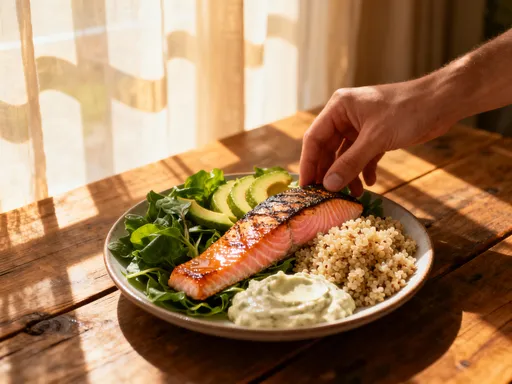
Nutrition directly fuels skin repair. Essential fatty acids, found in foods like walnuts, flaxseeds, and fatty fish, support lipid barrier integrity. Antioxidant-rich fruits and vegetables—such as blueberries, spinach, and sweet potatoes—combat oxidative stress caused by pollution and UV exposure. Protein intake is also vital, as collagen and elastin are made of amino acids. A balanced diet that includes lean proteins, whole grains, and healthy fats provides the building blocks for strong, resilient skin. At the same time, reducing processed sugars and refined carbohydrates can help minimize inflammation, which is linked to acne and accelerated aging.
Stress management completes the picture. Chronic stress elevates cortisol, a hormone that increases oil production, weakens the skin barrier, and slows healing. Mindfulness practices—such as deep breathing, journaling, or gentle yoga—can help regulate cortisol levels. Even short daily pauses, like a five-minute walk or a moment of quiet reflection, contribute to overall well-being and, by extension, skin health. These non-topical habits are not optional extras—they are integral to the rehabilitation process, reinforcing the work of skincare from within.
When to Expect Changes—and How to Track Them Honestly
One of the greatest challenges in skin rehabilitation is patience. Unlike quick-fix treatments that promise immediate peeling or brightening, true recovery unfolds gradually. Most dermatologists agree that measurable improvement takes between six and twelve weeks, aligning with the skin’s natural renewal cycle. During this time, changes may be subtle: a reduction in tightness, improved smoothness, or less reactivity to wind or temperature shifts. These quiet victories are often overlooked in favor of dramatic transformations, but they signify genuine healing.
To track progress accurately, it’s important to move beyond subjective feelings and adopt objective methods. Taking weekly photos under consistent lighting and angles can reveal changes that are hard to notice day-to-day. Texture checks—running fingers over the skin in the morning and evening—help detect improvements in softness and firmness. Keeping a simple journal to note reactions to products, environmental conditions, or stress levels can identify patterns and inform adjustments. For example, a woman might notice that her skin feels tighter during allergy season or after a poor night’s sleep, prompting her to increase hydration or simplify her routine temporarily.
It’s also crucial to avoid chasing instant results. The temptation to add a new product or increase frequency of actives when progress feels slow can undo weeks of healing. Skin that has been over-treated may take longer to respond, and setbacks are normal. Temporary flare-ups, especially during the Clearing and Calming phases, do not mean the process is failing—they may indicate that the skin is adjusting. The key is consistency, not speed. By setting realistic expectations and celebrating small milestones, women can stay committed to the rehab journey without becoming discouraged.
When to Seek Expert Help: Knowing the Limits of Self-Care
While skin rehabilitation can be managed at home for mild to moderate concerns, there are times when professional guidance is essential. Persistent redness, widespread breakouts, scarring, or sudden changes in pigmentation should not be ignored. These symptoms may indicate underlying conditions—such as rosacea, perioral dermatitis, or hormonal imbalances—that require medical diagnosis and treatment. Self-care is powerful, but it is not a substitute for clinical expertise.
Dermatologists can perform assessments to determine the root cause of skin issues, including patch testing for allergies or using imaging tools to evaluate barrier function. They may prescribe topical medications, such as low-dose corticosteroids or antibiotics, to address inflammation or infection. In some cases, they recommend in-office treatments—like gentle laser therapy or chemical peels administered under supervision—that support healing without causing further damage. Licensed aestheticians can also provide tailored facials using non-irritating techniques that complement a rehab routine.
Seeking help is not a sign of failure, but of wisdom. Many women hesitate to consult professionals due to cost, time, or the belief that they should be able to fix the problem themselves. Yet, just as one would see a physical therapist for a lingering injury, seeing a skin specialist for chronic concerns is an act of self-respect. Early intervention can prevent long-term damage and shorten recovery time. Moreover, a professional can help customize the rehab framework to individual needs, ensuring that the approach is both safe and effective.
Conclusion: Beauty Isn’t Aggressive—It’s Sustainable
The journey to healthy skin is not a battle to be won, but a relationship to be nurtured. True radiance emerges not from aggression, but from patience, understanding, and care. Skin rehabilitation training reframes beauty as a sustainable practice—one that honors the body’s natural rhythms rather than fighting against them. It invites women to move beyond the noise of trends and marketing and reconnect with what their skin truly needs: balance, protection, and time to heal.
For those who have spent years chasing perfection with ever-more-complex routines, this shift can feel counterintuitive. Letting go of the belief that more is better requires courage. But the rewards are lasting: skin that feels strong, looks calm, and responds well to life’s daily challenges. This is not about erasing every flaw, but about building resilience. It’s about waking up to a complexion that reflects not just what you’ve applied, but how well you’ve cared for yourself—inside and out.
Beauty, at its best, is not a war on aging or imperfection. It is a quiet commitment to well-being, a daily act of listening to your body and responding with kindness. When you treat your skin as the living, breathing organ it is, you give it the chance to thrive. And in that space of respect and restoration, real glow begins to emerge—not as a flash, but as a lasting light.